
New HIV prevention drug is out. Can Africa afford it?
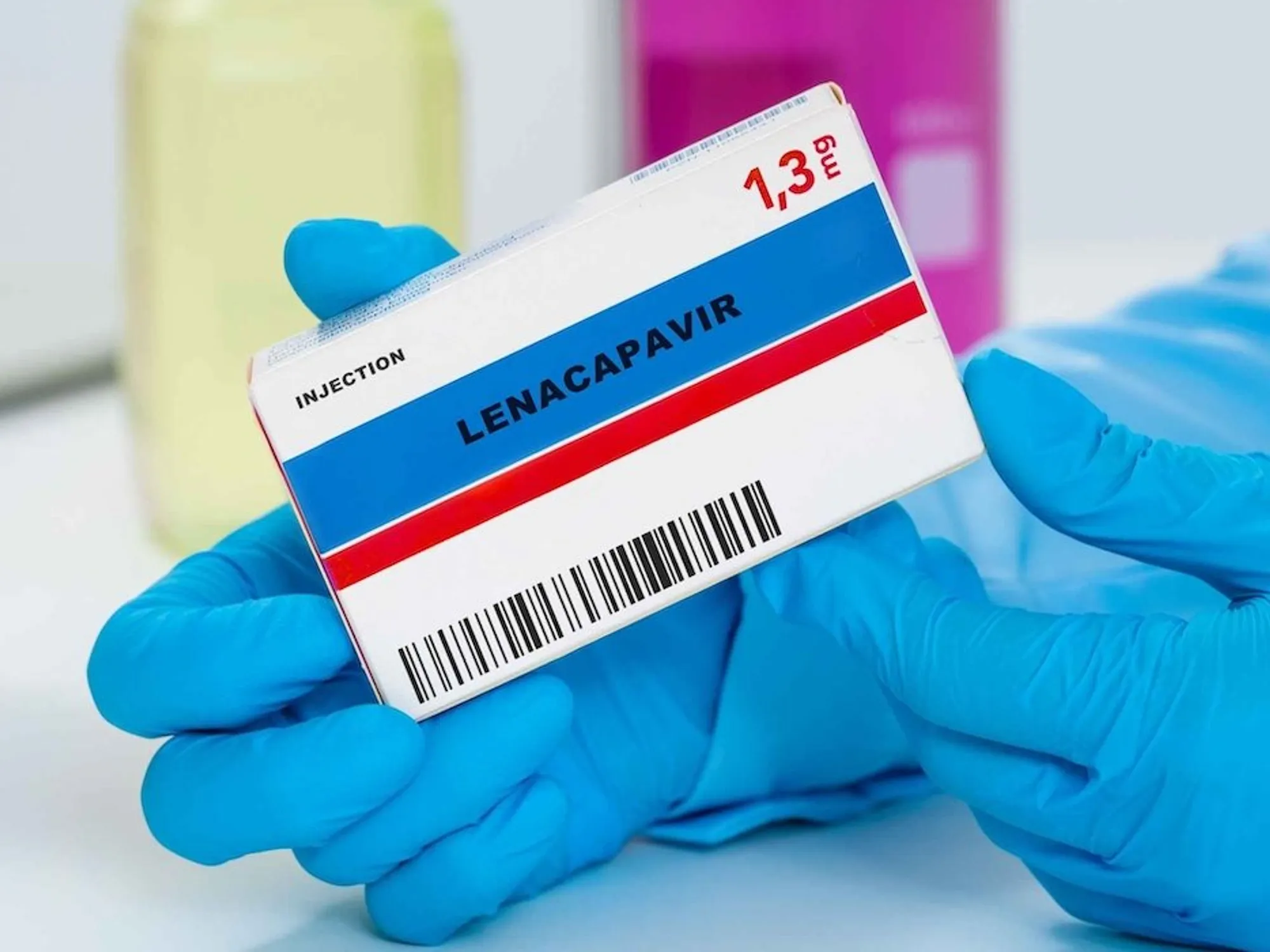
- A new HIV prevention drug, lenacapavir, could soon be available for use in Africa.
- Early reports show that the first 500 doses will go to HIV ravaged Eswatini and Zambia. Just two injections of lenacapavir a year provide near-complete protection against an HIV infection.
- Other countries across the continent have been asked to prepare regulatory frameworks.
With a new HIV prevention drug receiving the necessary approval from authorities, millions of patients across Africa can get a sigh of relief, but the million dollar question remains: will it be affordable for Africa? That’s on the individual basis, the micro-economics of things, which raises yet another question, on the macro-economic scales, will African pharmaceutical companies be given patents to produce the life saving drug?
“Five months after a “breakthrough” HIV prevention drug got approval in the United States and became available in many wealthy countries, it’s getting rolled out in two African countries hit particularly hard by the disease,” US national media NPR broke the news this week.
In the report, NPR says, “the U.S. State Department announced that Eswatini and Zambia have each received 500 doses of lenacapavir, a drug manufactured by Gilead Sciences that’s been hailed as a “breakthrough.” Just two injections a year provide near-complete protection against an HIV infection.”
The report goes on to quote the AIDS Vaccine Advocacy Coalition (AVAC), a global HIV prevention organization which admits that the doses are; “Obviously very small supplies, really just a down payment, but they’re the first of what we think to be many doses in these two countries and in other countries.”
So, these are clearly the first baby steps of getting the life saving drug to where it is needed the most, Africa. Why such a small start and what is to come in the future? “The delivered doses mark the first small step toward providing at least two million doses to the highest burden countries, largely in Africa, by 2028,” explains AVAC.
HIV Prevention drug unveiled as continent grapples with rising cases
The organization says the goal of the Global Fund, which is a major donor to combating HIV, tuberculosis and malaria, around the world are working with the developer, Gilead Sciences and the US State Department on the way forward.
Nonetheless, it must be admitted that the breakthrough drug has come to Africa at a time the continent is facing an increasing HIV burden because of disrupted care due to the cutting of donor funding by the US. “The Trump administration’s foreign aid cuts have damaged some of the very systems and programs best positioned to deliver lenacapavir to the people most in need of protection,” AVAC admits, “We are starting from a deficit that we didn’t have to, that was a making entirely of the U.S. government’s own,” the US organization admits again.
However, it should be noted that the US State Department did in fact announce that it has invested in lenacapavir and pledges to provide up to 2 million doses to Africa by 2028.
“We think we’re going to hit that target sometime in mid- to early 2027 [and] we’re going to be procuring more than half a million doses collectively next year,” the NPR report quotes Jeremy Lewin, a senior official for Foreign Assistance, Humanitarian Affairs and Religious Freedom at the State Department.
Speaking at a press briefing this week, the official said the US is not looking to profit per say but to help save lives.
In line with this statement, NPR quotes the Gilead CEO Daniel O’Day saying the delivered 500 doses are being provided by Gilead at cost, but with no profit going to the company, for now.
According to the report; “The company plans to cover up to 2 million doses total before licensed generic manufacturers get up and running, but it’s not clear how many doses they currently have on hand.”
“We do have supply to send to markets when they have the appropriate regulatory approval, and replenishment for Eswatini and Zambia,” the Gilead official reassured stakeholders.
The report goes on to reveal that is the FDA gave lenacapavir the go ahead, as did the World Health Organization and the European Medicines Agency in July, Gilead has been working to get regulatory approvals across sub-Saharan Africa.
“So far, Zambia and South Africa have approved the drug,” the report says.
However, it clarifies that the U.S. is not planning to fund doses of lenacapavir to South Africa, but rater, the country is encouraged to fund for its own doses.
Also Read: Is the Congo-Rwanda peace treaty hero really President Trump?
HIV prevention in East Africa
After these West and South African countries the question is where will the drug go next, East Africa? According to the NPR report, the makers of the drug have already filed for approval in Botswana, Kenya, Malawi, Namibia, Rwanda, Tanzania, Uganda and Zimbabwe.
“We continue to prioritize 18 high burden countries representing 70 per cent of the HIV epidemic,” says the Gilead CEO.
It should be noted that, delivery is only the first step, if the drug is going to be effective in curbing the epidemic, then each individual country must develop a system to ensure that the doses get to the people who need them, majority of whom are common men who cannot afford it if it is to be priced.
“Health ministries will be primarily responsible for that. But in many cases, governments have relied on community organizations and non-governmental organizations for help,” reports the US State Department.
However, while African governments will have to work out the administration of the drug so that it can reach the poorest of populations, the U.S. America First Global Health Strategy says it is ready to “boost national government’s self-reliance.”
However, this brings us back to the lack of donor funding because, “many health systems have relied on outside organizations that have been defunded or diminished by the Trump administration’s foreign aid cuts,” says the report.
“If you don’t have the program that meets people where they are, then those doses aren’t going to get used,” the NPR report quotes Warren, the AVAC official.
“There’s a lot of history of global health products that everyone thinks are exciting, and then they sit in store rooms because we didn’t build the program to deliver them,” he laments raising the question is Africa ready or at least getting ready to find most effective ways to ensure that the life saving drug actually reaches the majority of it’s poor population and not the rich few alone?
Much remains to be decided or to be seen as the first few hundred doses deter the continent, but what is dead right, is the fact that Africa can afford to let its workforce continue to die from HIV when their is a prevention drug available.
Crédito: Link de origem
Comments are closed.