

Robert Friedland fires up Africa’s biggest copper smelter in DRC
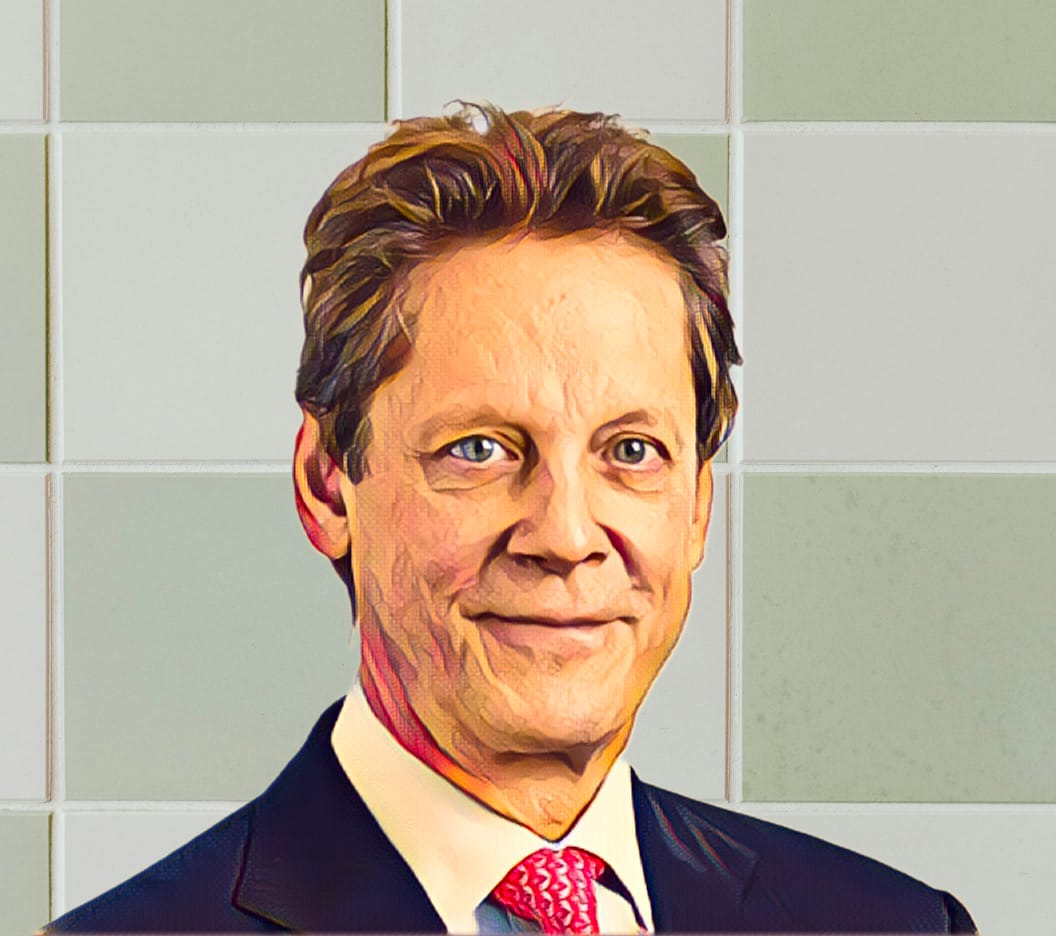
Robert Friedland has spent much of his career selling a story about copper and the energy transition. In the Democratic Republic of Congo, he’s now lighting it, quite literally.
Ivanhoe Mines Ltd., the company he founded and still co-chairs, has begun heating a 500,000-ton-a-year direct-to-blister copper smelter at its Kamoa-Kakula complex in Lualaba Province. The unit started its heat-up phase on Nov. 21 and is expected to take first concentrate feed before the end of the year, as commissioning moves from cold tests to live production.
Once fully ramped up, the smelter is set to be the largest in Africa. It will process copper concentrate from Kamoa-Kakula’s Phase 1, 2 and 3 concentrators into blister anodes grading about 99.7% copper. Any excess concentrate is expected to continue flowing to the nearby Lualaba Copper Smelter under tolling arrangements, but Ivanhoe’s target is clear: capture more value on site and reduce reliance on third-party capacity.
Friedland, 74, turned the start-up into a piece of theater that played directly into his long-running narrative about Congo’s mineral endowment. The ceremony began at a traditional village furnace, where local leaders smelted copper in the old way and then carried a sacred flame to the industrial complex. The torch was handed to Friedland, who used it to ignite the furnace’s symbolic first fire.
Behind the ritual is a substantial engineering bet. Kamoa-Kakula has installed a 60-megawatt uninterruptible power system to shield the smelter from grid volatility, alongside roughly 180 megawatts of on-site diesel generation. The furnace has already reached about 800 degrees Celsius as operators commission boilers, steam systems, the concentrate dryer and an associated acid plant.
Ivanhoe pitches the smelter as not just large, but relatively low carbon. The plant is designed to run primarily on hydroelectric power from Congo’s grid, positioning it as one of the lower-emissions copper smelting operations at a time when automakers, grid developers and renewable-energy companies are increasingly scrutinizing supply-chain footprints.
Crédito: Link de origem
Comments are closed.