

Inside the biggest billionaire donations in Africa in 2025
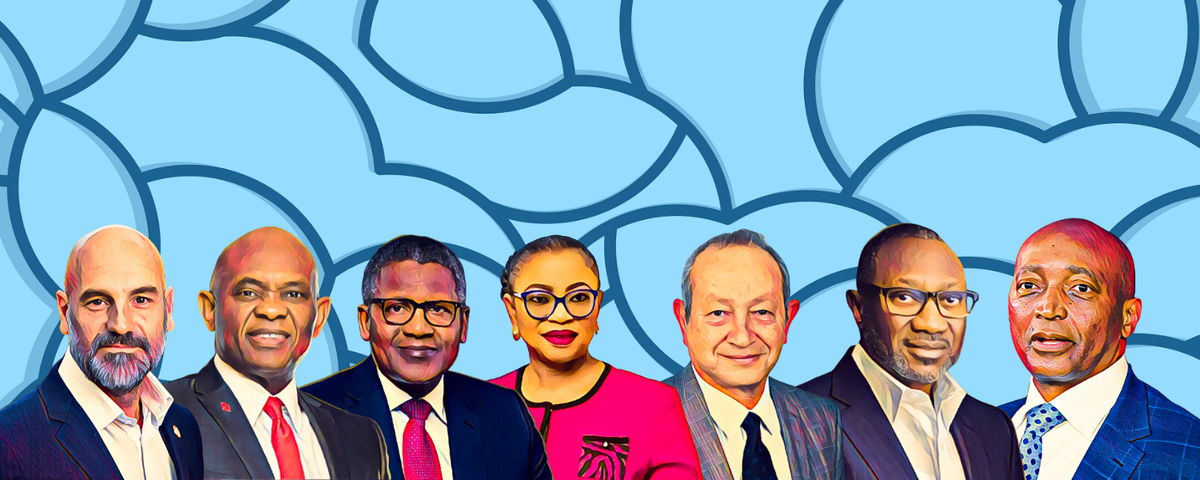
Africa’s billionaires spent 2025 writing unusually large checks, betting that private capital can plug gaps in education, health care and jobs as governments wrestle with tight budgets and growing demand.
The biggest headline came from Aliko Dangote, who said his foundation will commit 1 trillion naira over 10 years to support education in Nigeria, a pledge valued around $688 million at recent exchange rates. The plan is structured as 100 billion naira a year, aimed at scholarships and broader education programs, positioning the cement and refinery magnate as one of the continent’s most aggressive education donors.
Days before Christmas, another Nigerian billionaire, Folorunso Alakija, put health care at the center of her giving. She said a $23 million specialist teaching hospital she is backing will save lives and train doctors, tying the gift to capacity building rather than one off charity. The project is linked to Osun State University, reflecting a wider push by wealthy Africans to fund medical facilities that can outlast a single donor cycle.
Education drew more money in Nigeria through a separate pledge by Femi Otedola, who committed 4 billion naira, about $2.7 million to $2.8 million, for a dedicated Electrical and Electronics Engineering block at Augustine University in Lagos State. The First Bank chair has framed the donation as part of a longer effort to expand the university’s engineering faculty and strengthen job ready skills.
Entrepreneurship remained a marquee cause for Tony Elumelu, whose foundation announced 3,000 entrepreneurs selected for its 2025 program, each receiving $5,000 in seed capital alongside training and mentorship. Taken together, that implies at least $15 million in direct grants before counting program costs. The model has become a template for private sector philanthropy that looks more like an early stage investment pipeline than traditional aid.
In Egypt, the Sawiris family pushed higher education onto the big ticket list. A gift valued at more than $30 million to the American University in Cairo’s business school funded scholarships, research and exchange programs, and the school was renamed in honor of the family patriarch, Onsi Sawiris. The donation drew attention because it bundled several parts of the Sawiris philanthropic network and business ecosystem into one coordinated commitment.
The Sawiris name also surfaced in a separate development focused on long term community programs. The Sawiris Foundation for Social Development and the Essam and May Allam Foundation committed 200 million Egyptian pounds in a multi year partnership running from 2025 to 2029, targeting education, agriculture and community development. It is a reminder that some billionaire backed giving in Africa is shifting toward structured, evidence based programs that resemble institutional philanthropy more than personal patronage.
South Africa offered two different versions of big money philanthropy. Mark Shuttleworth, the tech entrepreneur behind Canonical, gave $1 million to the Mouse Free Marion Project, which aims to eradicate invasive mice that have devastated seabird populations on Marion Island. The gift speaks to a growing slice of African philanthropy that is global in outlook, funding conservation and climate related work alongside social needs.
Patrice Motsepe’s philanthropy sat closer to the daily lives of families, via the Motsepe Foundation’s $10 million prize pool tied to the CAF African Schools Football Championship. In 2025, those funds continued to flow into school projects, including renovations and basic infrastructure, using sport as a delivery mechanism for community development.
What ties these gifts together is scale and intent. Several are designed to build institutions, like hospitals and universities, or to seed thousands of micro businesses that can create jobs beyond a donor’s personal reach. Others, like conservation grants, reflect how Africa’s billionaire class increasingly blends local priorities with global causes.
Still, the momentum comes with a question that lingers behind every giant pledge: whether execution keeps pace with announcements, and whether governments can align policy with private money so projects deliver lasting public benefit.
Crédito: Link de origem