

Senegal revokes Nigerian billionaire Arthur Eze’s offshore license
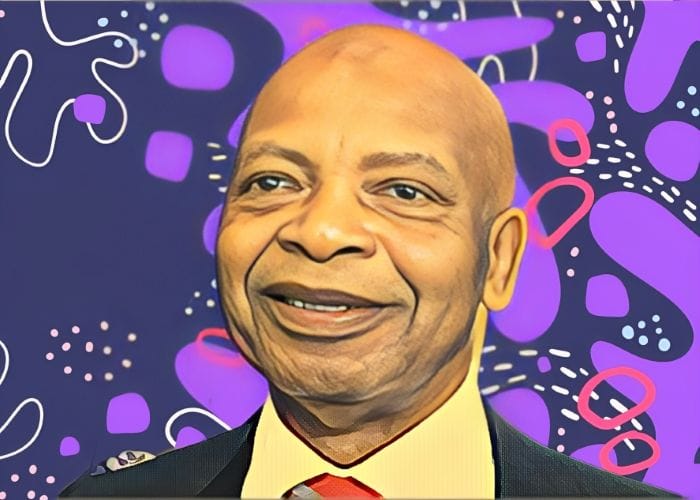
Atlas Oranto Petroleum Limited, the Nigerian independent energy company founded by billionaire Arthur Eze, has suffered a major blow in Senegal after the government revoked its offshore exploration license, a decision that signals more than the end of a long-stalled contract.
Senegal revokes Oranto offshore license
Senegal’s authorities moved to reclaim the Cayar Offshore Shallow block after concluding that Oranto repeatedly failed to meet core obligations tied to the license. According to officials in Dakar, the company failed to provide mandatory bank guarantees and carried out little substantive exploration work since the acreage was awarded in 2008.
The revocation, approved under President Bassirou Diomaye Faye’s reform-minded administration, underscored a tougher stance on license compliance and a clear message that petroleum rights must be actively earned. Government officials said the decision followed years of extensions and unmet commitments, leaving little justification to keep the block idle.
By withdrawing the license, Senegal joined a growing number of African producers seeking to curb speculative holding of oil and gas acreage and push capital toward operators willing to drill, spend and develop.
Debate grows over Liberia oil contracts
The setback in Senegal adds to mounting scrutiny of Atlas Oranto elsewhere in West Africa. In Liberia, pressure has intensified after two senior lawmakers warned against ratifying proposed production-sharing contracts involving the company.
In an October 2025 letter to fellow legislators, former House Speaker J. Fonati Koffa and Representative Musa Hassan Bility described the agreements as “corrupt and dangerous,” raising concerns about transparency, fiscal terms and the company’s financial capacity to develop deep-water blocks.
Liberia’s government, led by President Joseph Nyuma Boakai, has presented the Atlas Oranto agreements as a bid to restart a petroleum sector dormant for more than a decade. Officials cite bonuses and pledges on participation. Critics question who advised the state, how local equity would be financed, and why figures linked to the deals have changed positions. They warn the contracts could leave the state exposed if discoveries occur but projects stall.
At the center of the debate is execution. Lawmakers and analysts say Atlas Oranto’s history across West and Central Africa shows uneven follow-through, with licenses often changing hands before wells are drilled. Liberia itself awarded acreage to the group in the late 2000s that later changed ownership without a single exploration well, reinforcing doubts about whether the current deals reflect development plans or financial optionality.
Arthur Eze’s African energy footprint
Arthur Eze founded Atlas Oranto in 1991, building it into one of Nigeria’s largest privately held oil and gas groups, with interests spanning 22 countries, including Equatorial Guinea, South Sudan, São Tomé and Príncipe, Uganda and Zambia. Yet challenges persist. In April, Equatorial Guinea pressed the company to pay a $10 million license-related bonus—about N15 billion—amid compliance disputes tied to recovered oil blocks.
In September 2025, it secured four offshore exploration blocks in Liberia, as interest in the country’s offshore basin picked up. TotalEnergies acquired four blocks earlier in the year, and ExxonMobil re-entered Liberian waters in 2023, raising expectations on capital and execution. For regulators, Senegal’s move could set a benchmark. For Atlas Oranto, it intensifies scrutiny of capacity, credibility and whether licenses translate to drilling and production.
Crédito: Link de origem
Comments are closed.