

How Data Centers Are Reshaping Africa’s Energy Industry
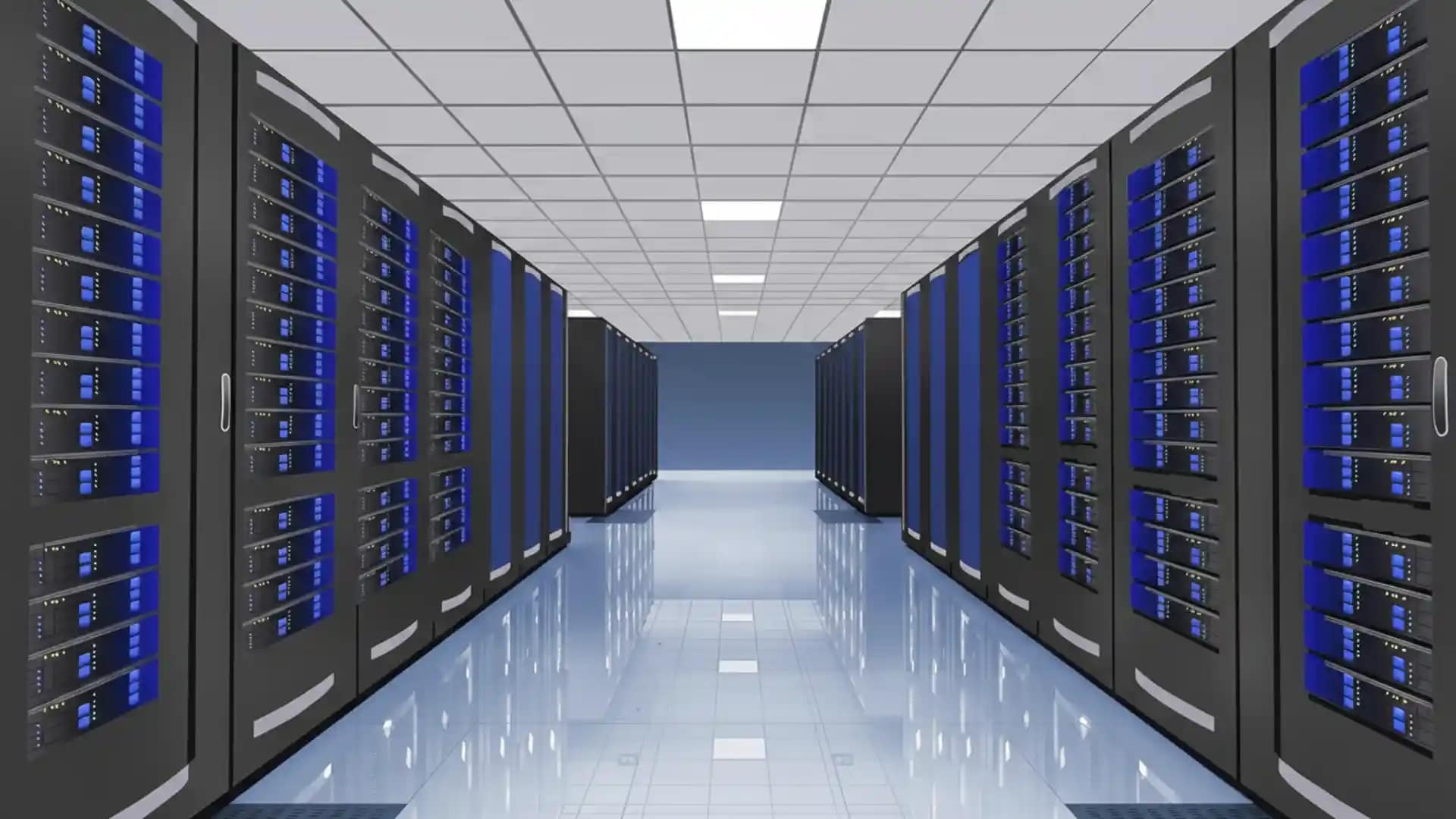
- As data center demand accelerates across Africa, electricity infrastructure is emerging as the decisive enabler of digital growth, investment and energy-system transformation.
- Data centers are poised to become a transformative force within the continent’s power markets, reshaping investment priorities.
- Unlike traditional loads, data centers require large volumes of reliable, uninterrupted electricity, creating predictable and bankable demand.
The global digital economy is driving an unprecedented surge in electricity demand from data centers and IT infrastructure. Worldwide, uninterruptible power supply demand for IT equipment alone is forecast to reach 249 GW by 2030, with total installed capacity, including cooling and ancillary loads, expected to climb to 374 GW.
For Africa, where digitalization, cloud adoption and mobile services are accelerating, this trend presents both a challenge and an opportunity. According to the African Energy Chamber’s (AEC) State of African Energy 2026 Outlook, data centers are poised to become a transformative force within the continent’s power markets, reshaping investment priorities ahead of African Energy Week (AEW) 2026.
Data Centers as Catalysts for Power Investment
Africa’s digital transformation is gaining momentum, particularly in markets such as South Africa, Kenya, Nigeria and Egypt. The growing demand for cloud infrastructure is emerging as a powerful driver for electrification, positioning data centers as stable, long-term anchor customers for power systems.
Unlike traditional loads, data centers require large volumes of reliable, uninterrupted electricity, creating predictable and bankable demand. This reliability strengthens the case for new generation capacity and grid expansion.
The effects extend beyond power markets. Data center development supports job creation, stimulates technology ecosystems and enhances Africa’s competitiveness in the global digital economy. Hyperscale operators are increasingly prioritizing sustainability and efficiency, accelerating innovation in renewable energy procurement, storage and demand management – trends that align closely with Africa’s long-term energy transition goals.
Challenges to Address
Despite the potential, Africa’s data center-driven power transformation faces structural hurdles. Reliable electricity supply remains uneven, with frequent outages and limited redundancy undermining operational resilience.
Sustainable cloud infrastructure also depends on coordinated policy frameworks, investment incentives, robust telecom regulation and regional collaboration.
Historically, Europe-based data centers serviced much of Africa’s digital demand. Rising latency requirements and growing data sovereignty regulations, which increasingly mandate local storage, are making this model unsustainable.
In response, global cloud providers are adopting pan-African strategies, establishing local presence, and accelerating demand for domestic data center capacity. Unlocking this opportunity will require governments, investors and utilities to strengthen grids, enable multiple supply points, and create an environment conducive to long-term infrastructure investment.
AEW 2026 will play a central role in facilitating these discussions, bringing together policymakers, financiers, developers and the broader energy industry to explore collaboration as a driving force behind Africa’s data-driven power development.
Emerging Case Studies
Successful examples illustrate the transformative potential of data centers for power investment. South Africa is Africa’s largest and most mature data center market. With cloud zones from Microsoft and AWS already live and Google expected to follow, the country is evolving from a telecom-driven colocation model to a wholesale data center hub.
Current utilization exceeds 83 per cent, projected to surpass 94 per cent by 2030, with demand concentrated around Johannesburg and Cape Town. Strong foreign investor interest reinforces South Africa’s role as a regional anchor market.
Kenya is emerging as East Africa’s fastest-growing hub, with around 40 MW of IT load capacity and a projected 30 per cent CAGR through 2028. The market is being shaped by proactive digitalization policies and flagship initiatives such as the Konza National Data Centre under Vision 2030. By 2029, total supply is expected to exceed 155 MW, positioning Kenya as a critical node in Africa’s distributed cloud future.
“Data centers are no longer just a technology story – they are an energy story. If Africa gets the power framework right, digital infrastructure can unlock investment, strengthen grids and accelerate inclusive growth across the continent,” states NJ Ayuk, Executive Chairman, AEC.
Read also: Africa Data Centres to build largest facility in West Africa
Crédito: Link de origem