

South Sudan activist Peter Biar Ajak sentenced to 46 months in U.S. for illicit arms plot
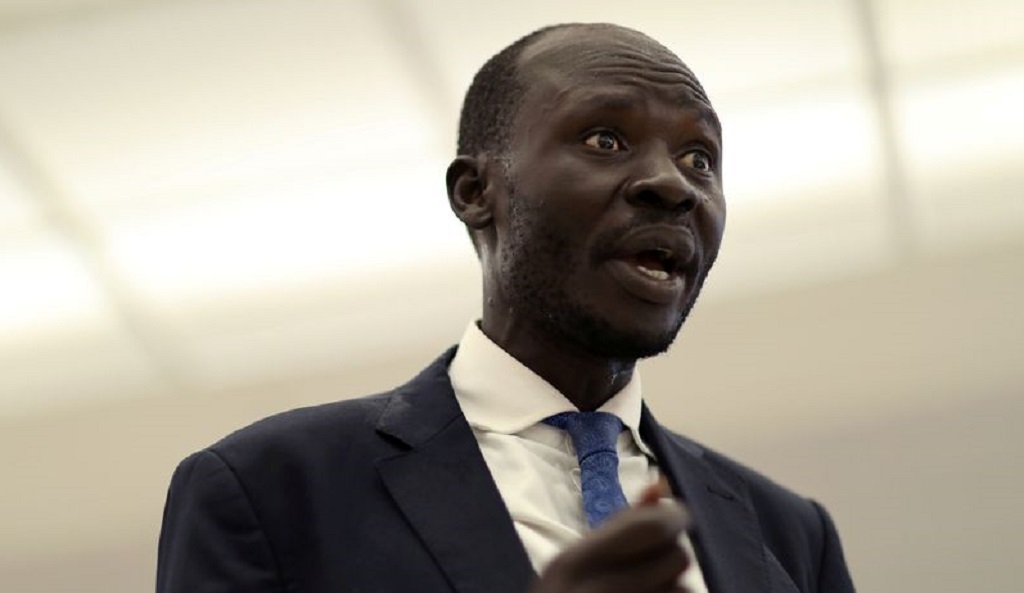
PHOENIX – Prominent South Sudanese activist and former World Bank economist, Peter Biar Ajak, was sentenced to 46 months in prison on Friday for conspiring to smuggle military-grade weapons to South Sudan to stage a coup.
Ajak, 42, of Maryland, was sentenced by U.S. District Judge Sharad H. Desai in Arizona. He will also serve three years of supervised release.
Having been detained since his arrest in March 2024, Ajak has already served nearly half of his sentence. Under federal guidelines allowing for “good time” credit, he could be eligible for release in approximately 16 months.
His co-defendant, Abraham Chol Keech, 46, of Utah, was sentenced to 41 months in prison in December for his role in the same conspiracy. Both men had previously pleaded guilty to conspiring to violate the Arms Export Control Act and the Export Control Reform Act.
Prosecutors said Ajak and Keech attempted to illicitly purchase nearly $4 million worth of weapons—including Stinger missile systems, grenade launchers, and machine guns—between February 2023 and March 2024.
The defendants sought to smuggle the arms to opposition groups in South Sudan disguised as humanitarian aid, with the ultimate aim of toppling the government and installing Ajak as president, the U.S. Justice Department said.
“Ajak conspired to export U.S. weaponry to South Sudan, where he planned to lead a coup and install himself in power,” Assistant Attorney General for National Security John A. Eisenberg said in a statement.
The sentencing marks a sharp fall for Ajak, a one-time “Lost Boy” refugee who became a celebrated scholar and peace activist. A graduate of Harvard’s Kennedy School and a PhD holder from Cambridge University, Ajak had previously worked as an economist for the World Bank in South Sudan.
He fled to the United States in 2020 after he had been targeted for assassination by South Sudanese President Salva Kiir’s government. Ajak had previously been detained for two years in Juba’s notorious “Blue House” prison on charges of disturbing the peace, a case that drew international condemnation.
According to court documents, the defendants created fake invoices to mask the arms purchases as humanitarian assistance and discussed paying bribes to facilitate the smuggling.
The weapons cache included more than 3.5 million rounds of ammunition intended for use in the conflict-ridden East African nation, which remains under a U.N. arms embargo.
“The defendants in this case sought to bypass U.S. export control laws, with Mr. Ajak directing a conspiracy that amassed a $4M arsenal of military-grade weapons intended to effect a coup d’état,” said U.S. Attorney Timothy Courchaine.
As part of their plea agreements, the defendants agreed to forfeit nearly $2 million raised to fund the weapons purchase.
Crédito: Link de origem