

Report says Jeffrey Epstein explored Nigeria oil trade
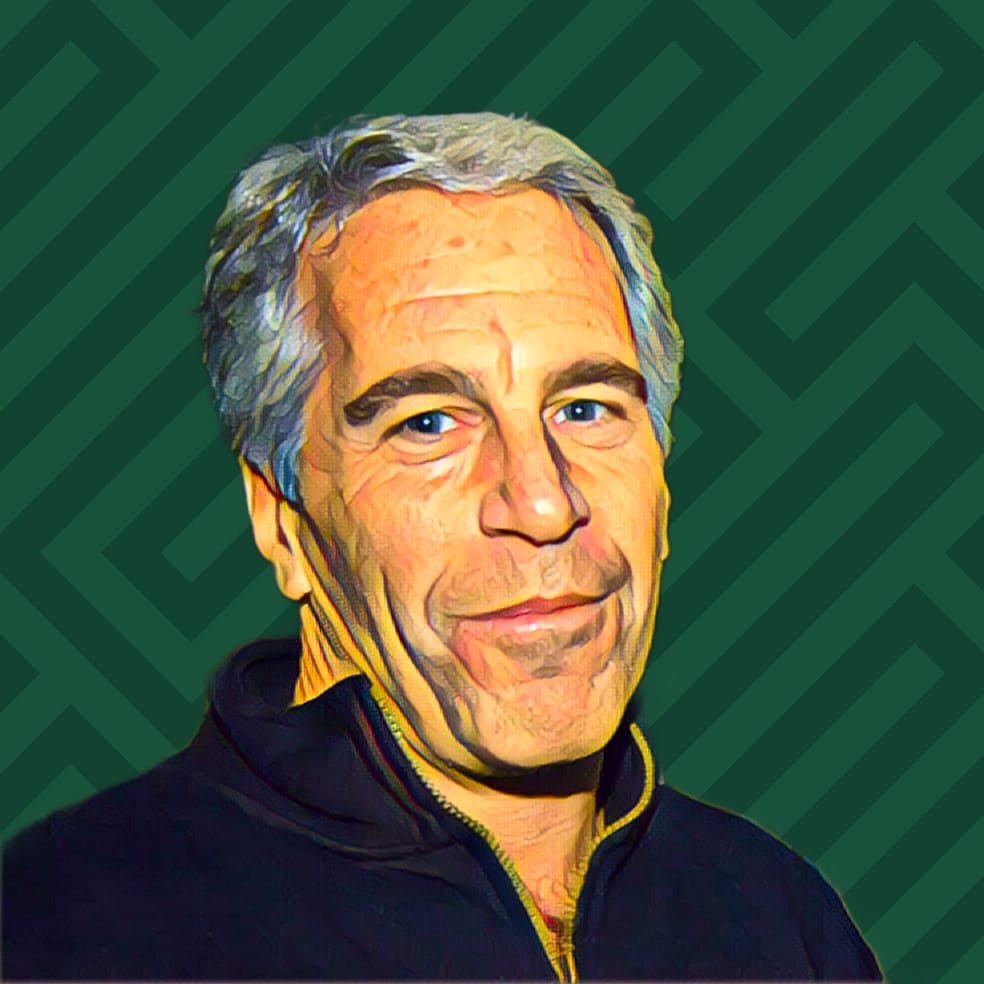
Jeffrey Epstein, the late U.S. financier whose name is most closely tied to a sprawling sex abuse scandal, once explored entering Nigeria’s crude oil trade before pulling back over fears he would be cheated, according to a report that cites newly released documents and emails.
The account, published by an energy news site and carried by Nigerian outlet TheCable, describes a 2010 email exchange in which Epstein discussed the basics of lifting Nigerian crude and the complications of dealing with the country’s state oil company. In the emails, Epstein is described as growing wary of the transaction and warning that the arrangement looked like it could be a setup.
The report does not say Epstein completed any deal connected to Nigeria. Instead, it portrays a moment when he was probing opportunities in the oil sector, then decided the risk of fraud was too high. The publication said Epstein’s doubts hardened as he weighed the paperwork, intermediaries and the kind of promises that often surround crude allocations.
Nigeria is Africa’s largest oil producer and one of the world’s most important exporters of light, sweet crude. Yet the business of getting cargoes to market can be opaque, shaped by shifting regulations, middlemen and persistent corruption allegations that have followed the sector for decades.
In the reported emails, Epstein corresponded with a contact identified as David Stern about how crude lifting works, including who issues approvals and how payments are handled. The exchange also touched on what it can take to secure legitimate cargoes, a process that has historically included layers of brokers, trading firms and politically connected players.
Oil lifting refers to purchasing crude cargoes for export, a high value business that can move quickly and attract sophisticated traders, along with fraudsters offering fake contracts and forged documents. In Nigeria, the state oil company, now restructured and operating under a new corporate framework, has long been at the center of crude sales and licensing.
The idea that Epstein looked at Nigeria’s oil trade adds an unexpected subplot to a life more associated with wealth, influence and criminal allegations than with commodities. Epstein was arrested in 2019 on federal sex trafficking charges and died in a New York jail cell weeks later, with authorities ruling his death a suicide. His death did not end scrutiny of his finances or his network of relationships.
In recent years, court filings and document releases tied to civil litigation have offered glimpses into Epstein’s contacts, travel and business discussions. The new report frames the Nigerian oil inquiry as part of that broader picture, suggesting he pursued potential profit in a sector where huge sums can change hands quickly.
Nigeria’s oil industry has repeatedly been rocked by scandals involving licensing, payments and the use of intermediaries. Some of the most prominent disputes have centered on offshore blocks and complex settlement deals, including cases that drew international investigations and years of litigation. Those episodes have reinforced a global perception of risk around major transactions linked to Nigerian crude, even as reputable trading and investment activity continues.
Industry analysts say fraud in crude trading often relies on speed and confusion, with impostors posing as agents for legitimate sellers or presenting false allocation letters. The victims can include experienced market participants, especially when they chase discounted cargoes or accept unclear documentation.
The report’s central claim is not that Epstein was defrauded, but that he decided he might be and stepped back. In the exchange, he is described as uneasy about the credibility of the proposed counterparties and the safeguards needed to protect money in a deal that would have involved large up front payments.
Neither Nigerian officials nor institutions referenced in the reported emails were shown to have played any direct role in the discussion, and the report did not identify a specific block, cargo, or named Nigerian counterparty tied to the approach. It presented the episode as exploratory, with Epstein asking questions and then losing interest.
The story lands at a time when Nigeria is again trying to rebuild investor confidence in its oil and gas sector, balancing reforms with persistent concerns about transparency and enforcement. The episode, as described, reads like a warning in miniature: even people drawn to the profits of crude can recoil when the guardrails look weak.
Crédito: Link de origem