
Suicide Deaths in Dadaab Camp Demand Increased Investment in Mental Health | Africa News
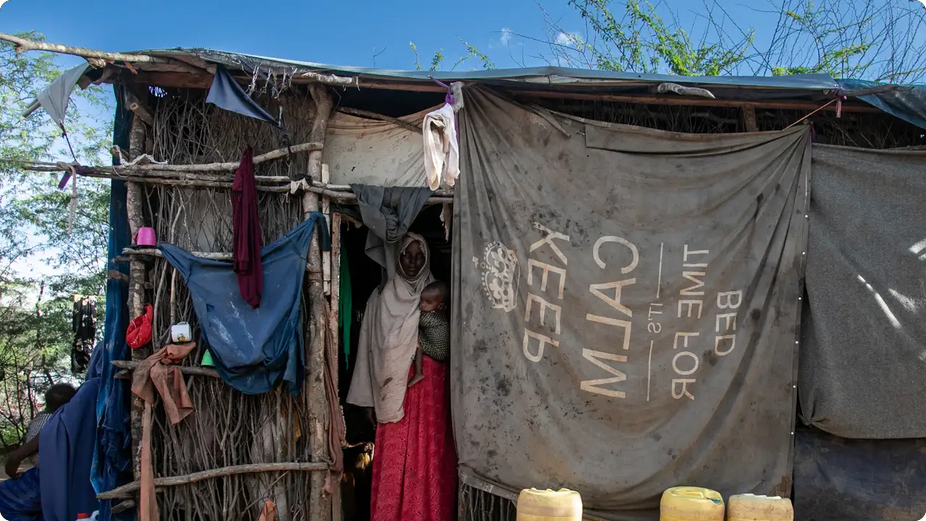
In the sprawling refugee camps of East Africa, a lethal threat is emerging that cannot be solved with food rations or makeshift shelters alone. While the physical scars of war and drought are visible, a “silent crisis” of psychological despair is claiming lives far from the headlines. For the hundreds of thousands residing in places like Kenya’s Dadaab camp, the convergence of dwindling global aid, chronic food insecurity, and the weight of shattered dreams has created a psychological pressure cooker.
As suicide rates rise among the displaced, it is becoming painfully clear that the humanitarian response is no longer just a matter of physical survival—it is a desperate race to mend the broken spirits of those the world has largely forgotten.
This story is written and edited by Global South World
Forcefully displaced people in Africa face numerous challenges, ranging from violence and mental distress to loss, stigma and poverty, and conditions in the camp that limit their access to basic social services like healthcare, food and clean water.
The daily life of these vulnerable people is punctuated with multi-layered pain and hopelessness for some, like the desperate youth whose dreams are shattered by lack of education, employment opportunities and an endless wait for resettlement. These issues render humanitarian intervention vital; yet, with dwindling resources especially food, caused by the ever-shifting donor priorities that result in budget cuts, efforts to bridge the gap are often a drop in the ocean. For instance, the reduction in food rations by the World Food Programme (WFP) has resulted in rising cases of food insecurity and malnutrition, exposing more vulnerable groups such as children to the risk of disease and death.
The persistent hardship in Africa’s refugee communities is fuelling suicide cases, a silent crisis that requires urgent action. Figures suggest that refugees in East Africa “experience higher rates of depression (31%) and functional impairment (62%) compared to the host population (10% and 25%, respectively).” This highlights the need for targeted investment in mental-health-focused screening and rehabilitation programmes.
In Kenya’s Dadaab refugee camp, hosting nearly half a million Somalis who fled war and drought, rising suicide deaths are a cause for concern. The situation in Dadaab reflects the predicament of refugees in other camps on the African continent, who are battling hunger and pressure from inability to cope with the harsh living conditions. Suicide-related data remains scarce, creating a gap in evidence-based solutions.
Equally concerning is the complacency towards mental health conditions, which feeds stigma and leaves those affected with no support. Responding to such cases is often delayed, putting people at risk. Aid cuts have devastated healthcare access, leaving humanitarian organisations with very limited means to run awareness campaigns and offer the much-needed counselling services, especially among young refugees.
“If someone says, ‘I want to kill myself,’ nobody cares. They think you’re just joking,” reveals Jane Kireto, a school psychological counsellor with Lutheran World Federation (LWF). “If someone takes their life, it becomes important to understand the circumstances that led to it.”
She notes the worrying disparity between the relatively swift response to familiar illnesses like malaria and typhoid and the passive reaction to mental health conditions widely seen as less significant.
A report on suicide prevention and response among refugees finds that there is a limited range of suicide preventative mechanisms tailored for displaced persons. The report further reveals the existing ones tend to ignore the complex, layered nature of mental health, underscoring the need for models that address multiple layers of the problem.
“Given suicide’s complex etiology, it is incumbent upon health agencies to not only think about individual-level risk factors, but also the broader socio-ecological factors…” the authors recommend, emphasising the need for more research focused on the lives of those at risk.
On top of this, as Jane Kireto notes, the relevant stakeholders must address the underlying causes of suicide, especially socio-economic barriers, and the lack of comprehensive psychosocial services.
This article was originally published by Global South World and is republished here with permission. View the original article.
Global South World was created to address the emergence of influential nations outside traditional power structures in geopolitics. Our mission is to amplify voices from the Global South and raise awareness of changes and trends in those countries.
Crédito: Link de origem