

Aliko Dangote accuses regulators of undermining Dangote Refinery
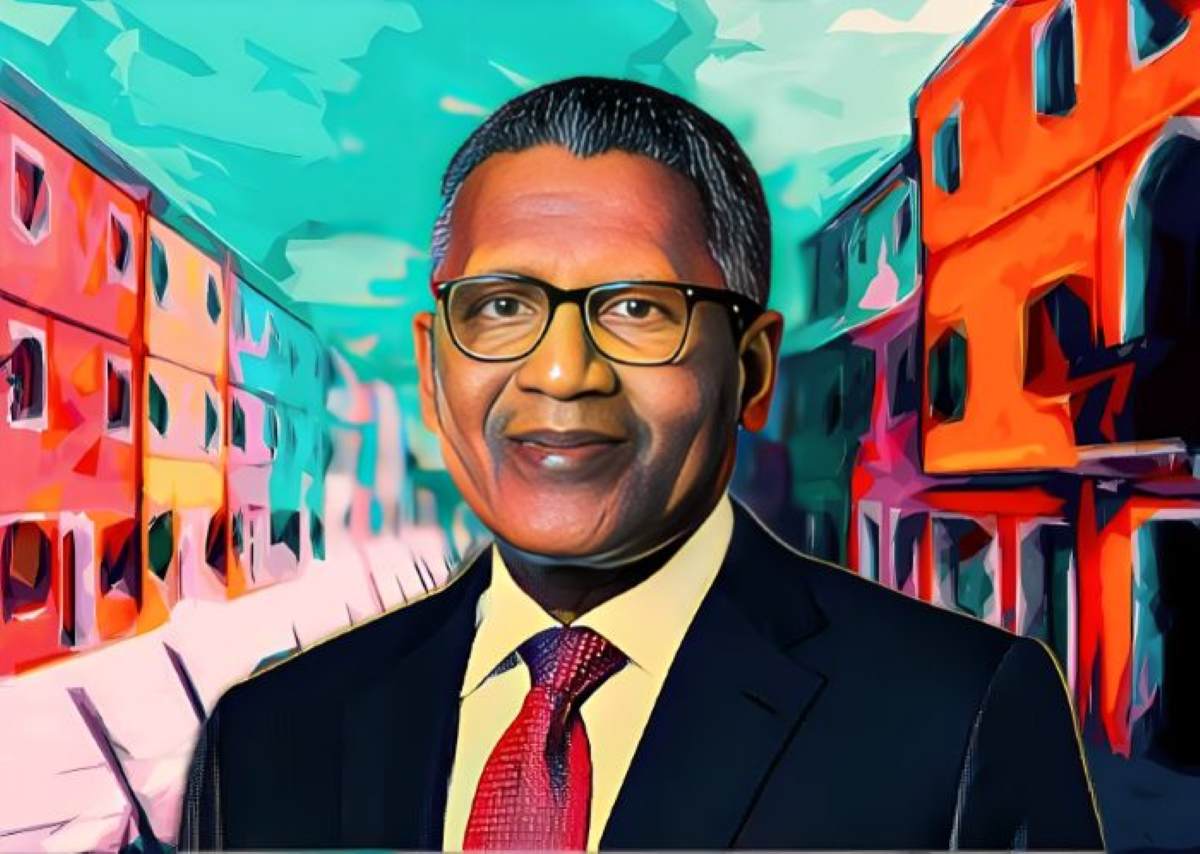
Africa’s richest man, Aliko Dangote, has sharpened his criticism of Nigeria’s fuel regulators, accusing them of allowing cheap imports that undercut local refining and weaken the country’s push toward industrial self-sufficiency. His comments, delivered at the site of his 650,000-barrel-per-day refinery in Lagos, also took aim at the leadership of the Nigerian Midstream and Downstream Petroleum Regulatory Authority (NMDPRA).
Dangote said continued reliance on imports was hurting jobs and investment at home, arguing that Nigeria was effectively exporting opportunities while struggling with unemployment and foreign exchange pressure. “You don’t use imports to checkmate domestic potential,” he said, warning that unchecked inflows of refined fuel would put energy security at risk and discourage long-term capital spending.
His remarks moved beyond policy to allegations of personal conduct. Dangote called for a full investigation into claims that NMDPRA Chief Executive Farouk Ahmed paid about $5 million in tuition fees for the secondary school education of his four children in Switzerland. He said the figure, if accurate, required public explanation and scrutiny by relevant authorities, including the Code of Conduct Bureau.
Income mismatch raises tax questions
According to Dangote, the alleged spending raises questions that go beyond personal choice. He said such payments appeared difficult to reconcile with income from public service and would normally attract attention from tax authorities. “When you look at his income, his income does not match paying this kind of fee,” Dangote said, adding that even private sector executives would be expected to account for such expenses.
Dangote contrasted the alleged spending with the reality faced by many Nigerian families. He pointed to communities where parents struggle to raise modest school fees, forcing children out of classrooms. He said the gap between those realities and the claims surrounding the regulator’s family finances was troubling and damaging to public confidence.
He stressed that he was not calling for Ahmed’s removal, but for transparency. Dangote said an investigation would either clear the matter or confirm wrongdoing, both of which are necessary for trust in the regulatory system. He added that if the allegations were denied, he would pursue legal steps to compel disclosure from the schools involved.
Regulation, crude supply, refinery expansion
Beyond the personal accusations, Dangote returned to the structural problems in the downstream petroleum sector. He said vested interests continue to benefit from fuel imports, despite repeated commitments by African governments to support local refining. Allowing traders to shape regulation, he warned, weakens oversight and discourages investment.
“There must be a clear line between regulation and commerce,” Dangote said, noting that dozens of licenses have been issued without translating into new refinery projects. He said the operating environment has made it difficult for investors to commit capital.
The dispute has also played out over capacity and supply. Ahmed has previously argued that the Dangote refinery cannot meet Nigeria’s daily fuel demand and accused it of seeking market dominance. Dangote disputes that claim, saying regulators rely on offtake figures rather than actual production capacity.
He added that the refinery has struggled to secure enough domestic crude, accusing regulators of failing to enforce rules that prioritize supply to local refiners before exports. As a result, the facility imports about 100 million barrels of crude annually, a figure he said could rise as capacity expands.
Despite the challenges, Dangote said he remains committed to the project, describing the investment as critical to Nigeria’s economy. He reiterated plans to expand the refinery, list the business locally and pay dividends in U.S. dollars, saying the goal is to allow ordinary Nigerians to share directly in the country’s industrial growth.
Crédito: Link de origem
Comments are closed.