

Aliko Dangote swaps luxury lifestyle for bold Nigeria industrial push
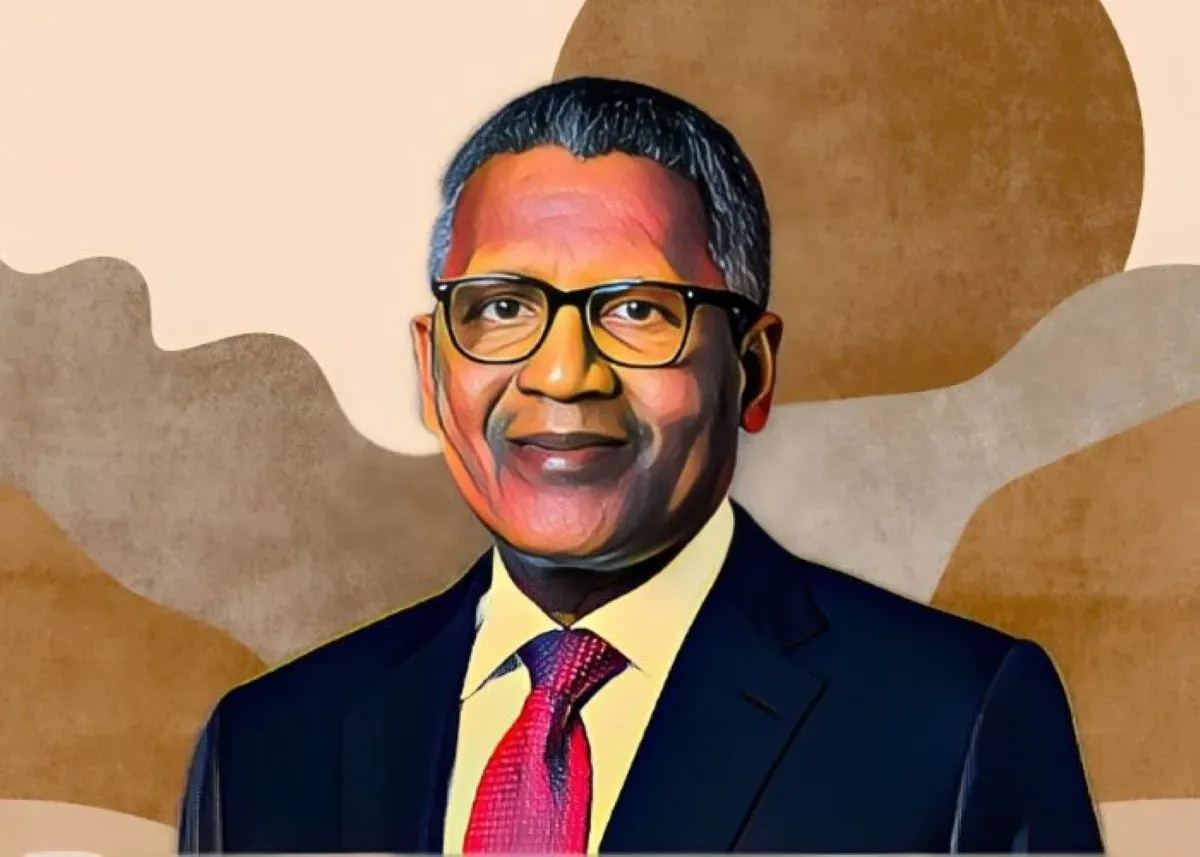
Aliko Dangote, Africa’s richest man, no longer spends his days surrounded by the trappings of luxury. These days, he works out of a construction trailer parked on a dusty lot in Lagos, a world away from the private jets and glittering parties that once defined his life.
Dangote, 68, built his fortune trading commodities and later manufacturing cement, sugar and other staples that power Nigeria’s economy. But he says there was a turning point about two decades ago, when he decided that flashy living had to give way to a bigger goal: building industries at home.
There was a time, he recalled, when he owned multiple homes across different countries. His garage housed a Rolls Royce and a Ferrari. Nights were often spent at high-profile gatherings, moving easily among global elites.
Then he stepped back.
“I sold the cars. I sold the houses abroad,” Dangote has said of that shift. The focus became clear: Nigeria needed factories more than it needed another billionaire with a taste for speed and status.
He began expanding aggressively into large-scale manufacturing. Sugar refineries came first. Then he acquired a majority stake in a salt refining company. Cement plants followed, first across Nigeria and then in other African countries, including Senegal, Ethiopia and Tanzania. Each project was designed not just to turn a profit but to replace imports with local production and create jobs.
Over time, the ambition grew. Fertilizer plants rose along the coast. Polyurethane factories followed. And eventually came his most audacious bet yet: a massive oil refinery on the outskirts of Lagos, intended to reduce Nigeria’s reliance on imported fuel despite being one of the world’s largest crude producers.
Dangote’s vision is straightforward, at least in theory. Africa’s most populous nation should not be exporting raw materials only to import finished goods at a premium. It should refine, process and manufacture at home. That, he argues, is how countries create wealth that spreads beyond a narrow elite.
Yet the road has been anything but smooth.
Nigeria’s business environment remains fraught with challenges, from unreliable power supply to currency volatility and shifting regulations. Massive industrial projects demand patient capital and political will, both of which can be tested in a country navigating economic reforms and global market swings.
Even so, Dangote has pressed ahead, often pouring billions of dollars into projects many considered too risky or too ambitious. Supporters see him as a symbol of African industrial self-belief. Critics question whether so much economic weight should sit with one conglomerate.
From his trailer office, surrounded by cranes and half-finished structures, Dangote insists the trade-off was worth it. The parties can wait, he suggests. The real legacy lies in factories that hum through the night, in jobs created and imports reduced.
For a man who once enjoyed the spotlight of high society, the dust and noise of construction have become the new normal. In his telling, glamour was easy. Industrializing Nigeria is the harder and more meaningful pursuit.
Crédito: Link de origem