

All About Chad | africa.com
What You Need to Know
Chad is a vast, landlocked nation at the crossroads of North, West, and Central Africa. Stretching from the Sahara Desert in the north to fertile savannahs in the south, Chad’s geography and location have made it a critical link between regions. Long shaped by pastoralism, agriculture, and oil production, the country plays an important role in regional security while navigating political transition, economic vulnerability, and climate pressure.
Chad at a Glance
Capital: N’Djamena
Population: ~18–19 million
Official Languages: French, Arabic
Government: Presidential republic
Economy: Oil- and agriculture-led, with limited diversification
Key Strengths: Strategic location, oil production, livestock, security capacity
Regional Role: Security and military anchor in the Sahel and Central Africa
Why Chad Matters
Chad’s importance extends well beyond its borders. Situated at the center of the Sahel, Lake Chad Basin, and Central Africa, the country is a key player in regional security efforts and counterterrorism cooperation. Its stability—or instability—has direct implications for neighboring countries, migration flows, and humanitarian conditions across a wide swath of Africa.
Geography and Location
Chad is located in Central Africa, bordered by Libya to the north, Sudan to the east, the Central African Republic to the south, and Cameroon, Nigeria, and Niger to the west. With no access to the sea, Chad depends heavily on regional transport corridors and cooperation with its neighbors.
The country’s geography spans three major zones: the Sahara Desert in the north, the Sahel in the center, and more fertile savannah lands in the south. Lake Chad, once one of Africa’s largest lakes, remains a vital resource for millions despite significant shrinkage over recent decades.
People and Society
Chad has a population of approximately 18–19 million people and is one of Africa’s most ethnically and linguistically diverse countries, with more than 200 ethnic groups. This diversity reflects the country’s position at the meeting point of Arab, Sahelian, and Central African cultures.
French and Arabic are official languages, while many national and local languages are spoken daily. Islam and Christianity are the dominant religions, often practiced alongside traditional beliefs.
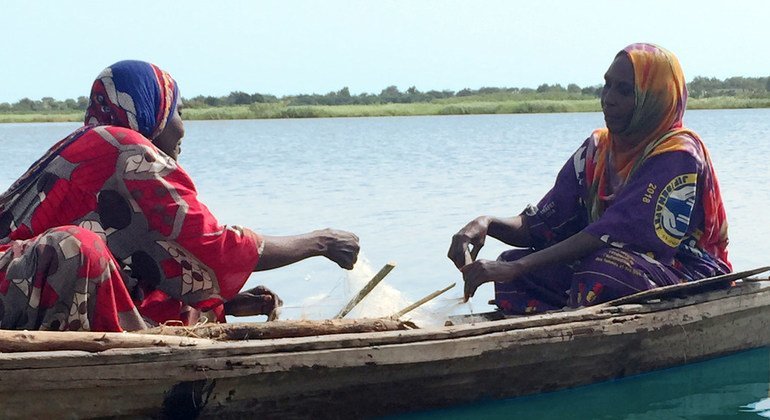
Most Chadians live in rural areas and rely on agriculture, fishing, or pastoralism for their livelihoods.
A Brief Historical Context
The region that is now Chad was once home to powerful pre-colonial states, including the Kanem-Bornu Empire, which controlled trans-Saharan trade routes for centuries.
Chad became a French colony in the early 20th century and gained independence in 1960. The post-independence period was marked by political instability, civil conflict, and regional interventions.
Since the early 1990s, Chad has been governed by a strong centralized state, with the military playing a prominent role in politics. Recent years have seen political transition efforts amid ongoing security challenges in the Sahel and Lake Chad Basin.
Government and Politics
Chad is a presidential republic with a highly centralized executive branch. Political power has historically been concentrated, and civic space has been limited.
The country has undergone a recent political transition, with efforts focused on restoring constitutional order, maintaining stability, and managing internal and regional security pressures.
Economy: Oil, Agriculture, and Livelihoods
Chad’s economy is driven by oil production and agriculture. Oil exports provide the majority of government revenue, while agriculture and livestock support the livelihoods of most of the population.
Key economic priorities include:
- Strengthening food security and pastoral systems
- Managing oil revenues and public finances
- Expanding infrastructure and energy access
- Supporting regional trade and markets
Economic diversification remains a long-term challenge, particularly in the face of climate variability and global price fluctuations.
Trade, Diplomacy, and Regional Influence
Chad is an active member of regional and continental organizations, including the African Union and regional Sahel initiatives. It has played a prominent role in regional security cooperation, particularly in counterterrorism efforts in the Lake Chad Basin and the Sahel.
Despite being landlocked, Chad maintains trade links through neighboring countries’ ports and transport corridors.
Tourism and Natural Heritage
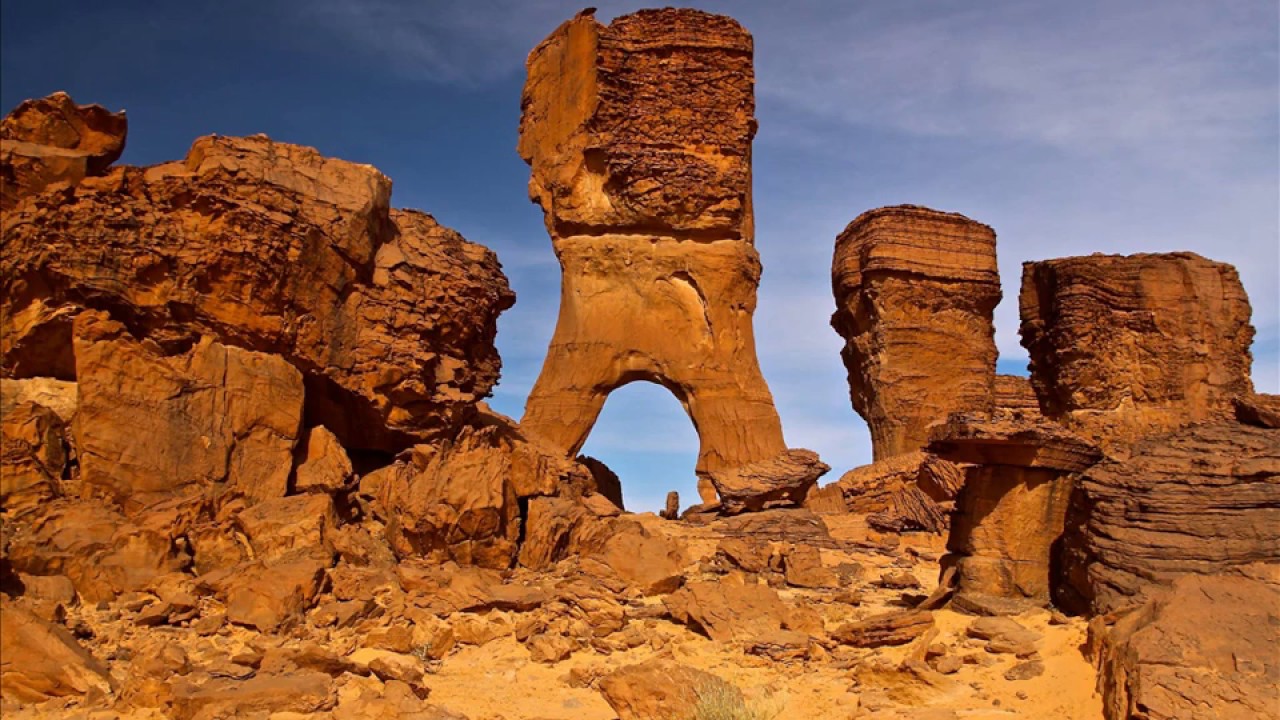
Tourism in Chad is limited but holds long-term potential. Natural attractions include Zakouma National Park, one of Central Africa’s most important wildlife reserves, and the Ennedi Plateau, known for its dramatic rock formations and ancient rock art.
Security and infrastructure constraints currently limit tourism development, but conservation efforts have gained international recognition.
Safety and Travel Considerations
Security conditions vary by region, with ongoing risks related to conflict and instability in parts of the country. Most international travel advisories recommend caution or avoidance of non-essential travel, particularly outside the capital.
Any travel requires careful planning and close monitoring of local conditions.
Culture and Daily Life
Chadian culture reflects the country’s diversity, with rich traditions in music, storytelling, and communal life. Daily routines for most people revolve around farming, herding, fishing, and local markets.
Resilience and adaptability are defining features of social life, shaped by environmental and economic pressures.
Sports and National Identity
Football is the most popular sport in Chad and an important source of national pride. Community sports and traditional competitions also play a role in youth engagement and social cohesion.
Crédito: Link de origem
Comments are closed.