

Elon Musk Calls for Sanctions Against Julius Malema
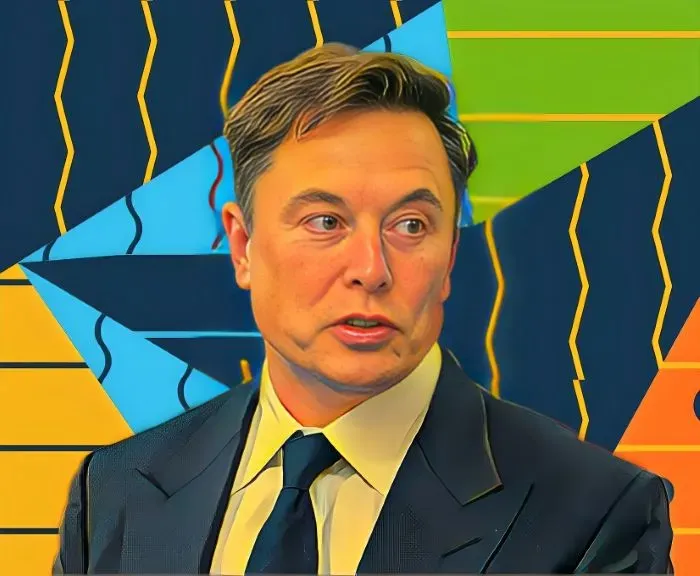
Elon Musk has reignited a long running public feud with South African opposition leader Julius Malema, calling for sanctions and labeling the firebrand politician an international criminal over remarks tied to race and land politics.
The Tesla and SpaceX owner made the comments on his social media platform X after an old video resurfaced showing Malema accusing the Democratic Alliance of backing only white leaders. The clip, which has circulated widely in recent days, drew sharp criticism from Musk, who described Malema’s language as dangerous and inflammatory.
In the video, Malema is heard saying that the party was confronting what he called whiteness, using imagery that Musk later argued amounted to a call for violence. Musk accused the Economic Freedom Fighters leader of promoting racial hostility and said international sanctions should be imposed.
Musk also referenced previous clashes with Malema, including criticism in twenty twenty three when the EFF leader chanted a controversial struggle song during the party’s tenth birthday rally. At the time, Musk condemned the chant, saying it encouraged violence against white South Africans.
The billionaire, who was born in South Africa before emigrating, has increasingly weighed in on the country’s political debates. He has been particularly outspoken about the recently signed Expropriation Act, which allows land to be seized without compensation under certain conditions. Some people say the policy makes racial tensions worse, while others say it fixes problems that have been around for a long time.
Malema responded forcefully to Musk’s latest comments, saying he was not intimidated by threats of sanctions or international condemnation. In a direct reply, the EFF leader dismissed Musk as entitled and out of touch with the realities faced by black South Africans.
Malema said he would not stop advocating for equality, even if his stance attracted global criticism. He added that fighting for economic justice and racial balance was worth any personal consequence, including being labeled a criminal by foreign figures.
The exchange has fueled renewed debate in South Africa, where land ownership and racial inequality remain deeply sensitive issues three decades after the end of apartheid. Analysts say Musk’s involvement reflects growing international scrutiny of the country’s political direction.
Malema’s supporters think that his words are symbolic and based on past struggle, while his critics warn that this kind of language could make divisions worse. On the other side, some who don’t like this kind of rhetoric say it could make things worse.
The public clash shows how global figures can influence domestic political discourse, especially when social media amplifies already charged conversations.
Crédito: Link de origem