

Lassa Fever Peak Season: NCDC’s Guide to Protecting Yourself and Your Family
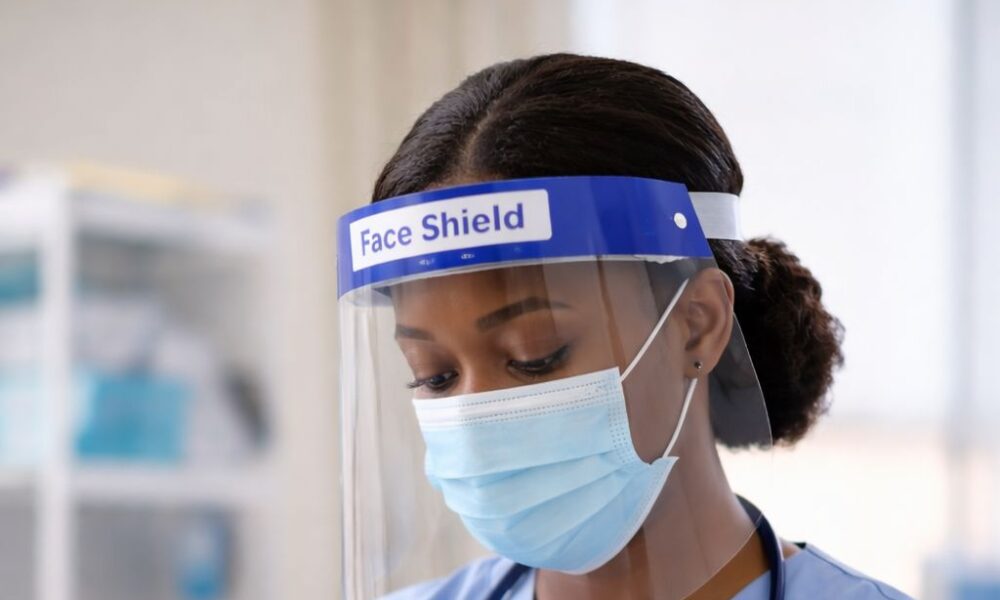
If you’ve been on social media this week, you may have spotted some worrying headlines about Lassa fever. This is not a moment for panic, but it is a moment for awareness. Whilst Lassa fever isn’t new to Nigeria, the current outbreak season has taken a particularly concerning turn: the very people who care for the sick are falling ill themselves.
According to the Director General of the Nigeria Centre for Disease Control and Prevention, Dr Jide Idris, “Recent surveillance data indicate a concerning increase in Lassa fever infections among healthcare workers, with 15 confirmed cases and 2 deaths recorded as of Epidemiological Week 7.”
Here is everything you need to know to keep yourself, your family, and our medical workers safe.
So, What Exactly Is Lassa Fever?
Lassa fever is a viral haemorrhagic illness caused by the Lassa virus, which is carried by a species of rat called the multimammate rat, extremely common across West Africa. It was first identified in Nigeria back in 1969 and remains endemic in several West African countries, with Nigeria being one of the most affected.
The virus spreads to humans primarily through contact with food or household items contaminated with rat urine or faeces. In healthcare settings, it can also spread from person to person through contact with infected blood or other bodily fluids — which is exactly why hospitals can become hotspots if the right precautions aren’t in place.
Symptoms can range from mild (fever, fatigue, headache) to severe (bleeding, organ failure), with roughly 20% of hospitalised patients developing serious illness. The peak season for transmission typically falls between November and April, precisely the period we’re in right now.
Doctors, nurses, and lab scientists are on the front lines, and the NCDC is making it clear that their safety is the priority. The report notes that infections have cropped up in “high-burden areas such as Ondo, Edo, Bauchi, Taraba, Ebonyi, and Benue.”
The NCDC identified that a “low index of suspicion” is a major risk. This means sometimes we assume a fever is “just malaria” and forget to take full precautions.
Key reminders from the NCDC for medical staff:
- Standard Precautions: These must be applied to all patients, at all times, regardless of diagnosis.
- Don’t ignore the General Ward: The NCDC warns that “healthcare workers in outpatient departments and general wards often underestimate their risk.”
- Hand Hygiene: This is your first line of protection. Wash hands before and after patient contact, and after removing gloves.
- Stop Self-Medicating: The NCDC noted a “dangerous average six-day delay between symptom onset and healthcare workers seeking care.” If you feel unwell, please seek institutional support immediately.
For the Rest of Us: How to Protect Your Home
Lassa fever isn’t just a hospital issue, it starts in our communities. It is spread by the multimammate rat (the ones with many breasts), usually through contact with their urine or droppings.
Keep the Rats Out
The best way to stay safe is to make your home unattractive to rodents.
- Store food in rat-proof containers: Use plastic, metal, or glass jars with tight lids.
- Dispose of waste properly: Don’t leave heaps of rubbish near your house; that’s a five-star hotel for rats.
- Block the entries: Seal any holes or cracks in your walls or doors where a cheeky rodent might squeeze through.
Practice “A-Grade” Hygiene
- Cover your dustbins: Always keep them closed.
- Wash your fruits: Any fruit or vegetable should be thoroughly washed before eating.
- Don’t dry food on the floor: If you are drying garri, grains, or yam flour, do not spread them on the ground outside where rats can run over them. Use raised platforms or clean mats.
Know the Symptoms
Lassa fever can look like many other things at first. Watch out for:
- High fever
- General body weakness and malaise
- Sore throat and cough
- Nausea, vomiting, or diarrhoea
- In severe cases, unexplained bleeding from the nose, mouth, or ears.
What to Do If You Feel Sick
If you or a loved one shows these symptoms, please do not go to the chemist to “mix” drugs or try to treat it at home.
According to the NCDC, “All suspected cases should be reported immediately to the LGA Disease Surveillance and Notification Officer (DSNO) or through the NCDC toll-free line: 6232.”
Crédito: Link de origem