

Lesetja Kganyago Warns Stablecoins Pose Risks to South Africa’s Currency Stability
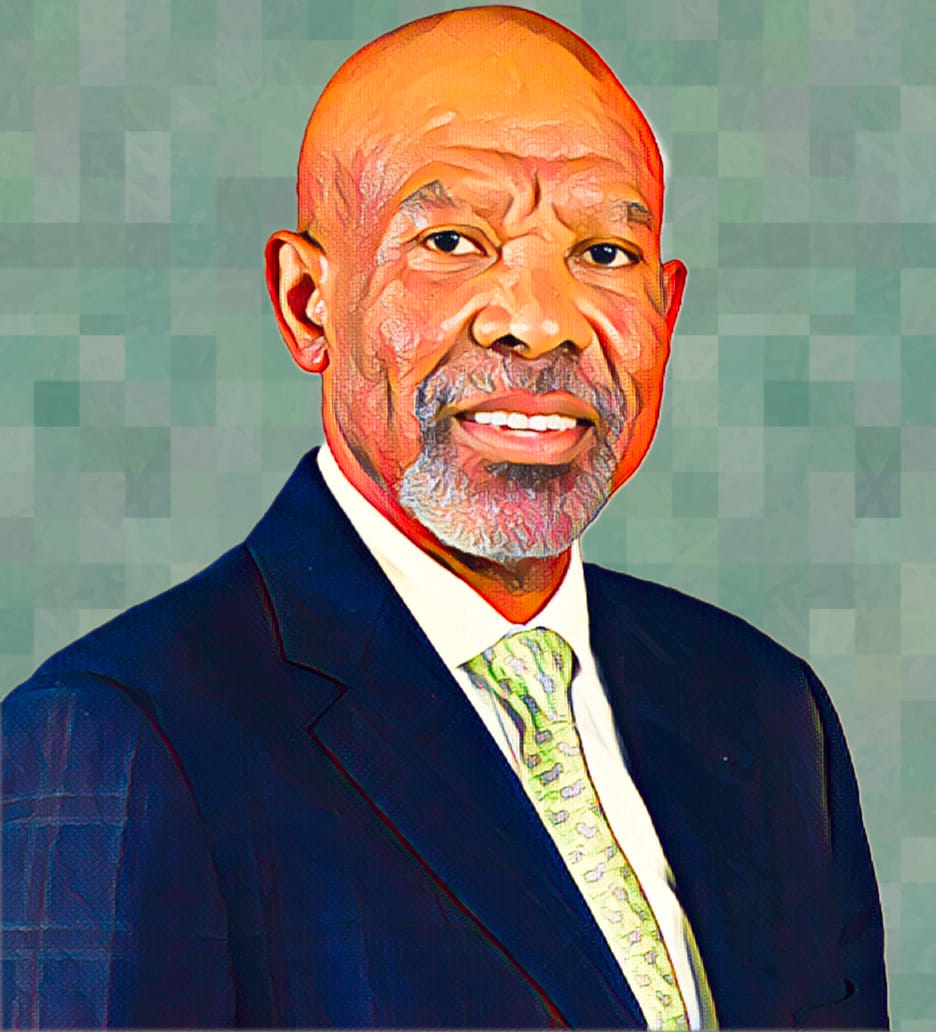
South African Reserve Bank Governor Lesetja Kganyago has raised fresh concerns over the rapid expansion of stablecoins, warning that their growing use could undermine core objectives of monetary policy, including currency unity, stability, and affordability for the public.
Kganyago, who is a banking tycoon and industry expert, sounded the warning while speaking at the 2026 Warwick Economic Summit, where he underscored the central bank’s responsibility to preserve confidence in the national currency and ensure that money remains a reliable medium of exchange for households and businesses.
According to Kganyago, the rise of stablecoins presents a complex challenge for central banks, particularly as these digital assets increasingly function as alternatives to traditional money in domestic and cross-border transactions.
Lesetja Kganyago says regulatory gaps heighten financial system risks
Explaining the nature of the risk, Kganyago noted that stablecoins are typically backed by assets such as United States Treasury bonds and are designed to maintain a fixed peg to fiat currencies, making them attractive as relatively low-volatility crypto instruments.
He observed that in South Africa, stablecoins are gaining traction as tools for payments, savings, and value transfer, especially among users seeking protection from volatility in other digital assets. However, he warned that the absence of comprehensive regulation could expose the financial system to new vulnerabilities.
Kganyago recalled that the South African Reserve Bank had already flagged this concern in November 2025, cautioning that unregulated stablecoin activity was emerging as a potential systemic risk. He stressed that without proper oversight, issues such as liquidity mismatches, operational failures, and loss of confidence could spill over into the broader financial system.
Beyond domestic considerations, Kganyago highlighted that growing global uncertainty makes it even more critical for central banks to rely on robust and adaptable financial models. He pointed to shifting global trade dynamics, including rising tariffs in the United States, as developments that could amplify economic volatility.
According to him, these external pressures reinforce the need for monetary authorities to remain vigilant and proactive, particularly as financial innovation accelerates and blurs the boundaries between traditional finance and digital assets.
Kganyago concluded that while innovation in payments and finance should not be stifled, it must be carefully managed to ensure it does not compromise monetary stability, public trust, or the effectiveness of central bank policy.
Crédito: Link de origem