

Modern Outdoor Designs: Stainless Steel vs. Aluminum Alloy Kitchen Solutions
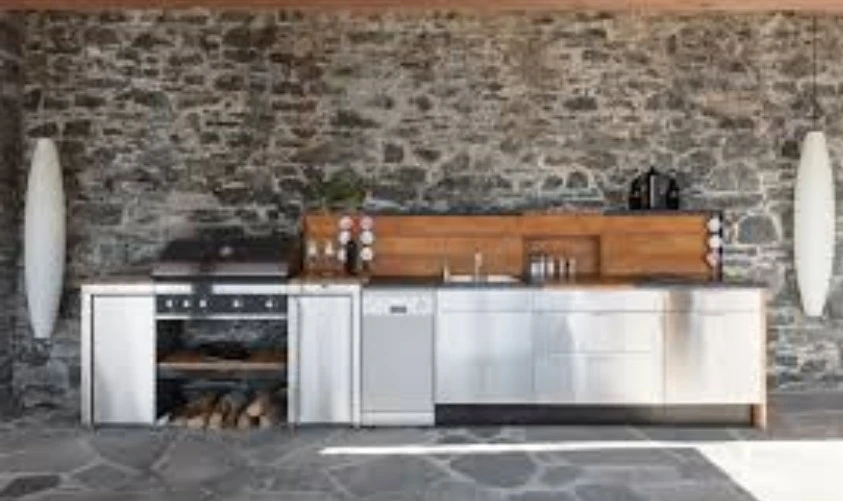
As outdoor kitchens become a must-have feature in modern backyard designs, choosing the right material for your outdoor kitchen framework is one of the most important decisions you’ll make. From cabinets to countertops and appliances, the materials you select must be stylish, durable, and suited to outdoor conditions like sun, rain, humidity, and extreme temperatures. Two popular choices for modern outdoor kitchens are stainless steel and aluminum alloy.
While both materials are lightweight, weather-resistant, and sleek in appearance, stainless steel emerges as the superior choice for modern outdoor kitchen designs. In this blog, we’ll compare stainless steel and aluminum alloy kitchen solutions, focusing on key factors like durability, style, performance, and value, and explore why stainless steel is the better option for homeowners looking to enhance their outdoor spaces.
1. Durability: Built to Withstand Outdoor Elements
The outdoors can be harsh on any material. Exposure to sunlight, moisture, rain, and coastal salt air can take a toll on your kitchen setup. Your outdoor kitchen materials must be able to resist warping, rust, and general wear and tear to avoid costly repairs or replacements in the future.
Aluminum Alloy: Lightweight but Susceptible to Damage
Strength vs. Weight: Aluminum alloy is a lightweight material, which can be advantageous during installation. However, it’s less sturdy than stainless steel and tends to warp, bend, or dent with regular use or under heavier loads.
Corrosion Vulnerability: While aluminum doesn’t rust (like iron-based materials), it isn’t completely corrosion-proof. In humid or salty environments, aluminum is prone to pitting corrosion, forming small holes that compromise its longevity.
Temperature Sensitivity: Frequent exposure to temperature extremes (hot summers and freezing winters) causes aluminum to expand and contract, which can weaken its structure over time.
Stainless Steel: The Ultimate Heavy-Duty Option
Exceptional Strength: Stainless steel is a strong and durable material that resists impacts, dents, and warping, even when used for heavy-duty components like grill cabinets or countertops.
Weather Resistance: Unlike aluminum, stainless steel remains unaffected by extreme weather—even in high-humidity or salt-exposed environments. The use of 316 marine-grade stainless steel provides additional corrosion protection in coastal areas.
Temperature-Resistant Performance: Stainless steel handles both high heat and freezing cold without structural degradation, ensuring year-round performance for your outdoor kitchen.
Winner: Stainless Steel
In terms of durability, stainless steel consistently outperforms aluminum alloy, offering long-lasting strength and resistance to the elements.
2. Design and Aesthetic Appeal: A Stylish, Modern Outdoor Kitchen
Your outdoor kitchen should complement the clean, modern designs expected in today’s outdoor living spaces while providing a sleek, polished look that elevates your backyard.
Aluminum Alloy: Sleek but Limited
Modern Minimalism: Aluminum alloy generally has a soft metallic sheen with a matte finish that works well in contemporary designs. However, this finish often fades over time, taking on a dull chalky appearance due to oxidation.
Scratch & Dent Prone: Aluminum’s softer surface makes it more vulnerable to scratches and dents, which can detract from its aesthetic appeal in the long term.
Limited Texture or Accessories: Aluminum is usually offered in a limited number of design options, and its appearance isn’t as versatile as stainless steel, which complements a broader variety of outdoor materials.
Stainless Steel: Timeless Elegance
High-End Modern Look: Stainless steel is celebrated for its sleek, polished appearance, offering a luxurious and professional-grade finish that enhances modern backyard kitchens.
Maintains Its Shine: Unlike aluminum, stainless steel doesn’t fade or dull over time, retaining its luster with minimal maintenance.
Versatile Design Pairings: Stainless steel pairs beautifully with other modern design elements like granite countertops, natural stone, or wood cabinetry, making it ideal for cohesive outdoor spaces.
Winner: Stainless Steel
With its elegant finish and long-lasting beauty, stainless steel is the clear choice for stylish and modern outdoor kitchen designs.
3. Corrosion Resistance: Protecting Your Investment
Outdoor environments expose kitchen materials to moisture, humidity, and rain, making corrosion resistance a critical factor in determining which material is better for your outdoor kitchen.
Aluminum Alloy: Corrosion-Resistant, Not Corrosion-Proof
Oxidation Issues: Aluminum naturally forms a protective oxide layer when exposed to air and moisture, which prevents rust. However, over time, this layer can wear down and give way to pitting corrosion, especially in high-humidity or salt-heavy environments.
Not Ideal for Coastal Climates: Aluminum is particularly vulnerable to salty air in coastal regions, where corrosion accelerates and compromises the material’s strength.
Stainless Steel: The Rust-Free Icon
Corrosion-Proof Composition: Stainless steel includes chromium, which forms a self-repairing oxide layer, making it fully resistant to rust. This layer re-forms even if the surface becomes scratched.
Marine-Grade Option: For outdoor kitchens in coastal areas, 316-grade stainless steel provides unparalleled corrosion resistance, even in the most challenging conditions.
Zero Degradation Over Time: Stainless steel cabinets and fixtures will maintain their integrity without developing corrosion issues—even with years of exposure to rain or saltwater.
Winner: Stainless Steel
While aluminum alloy offers basic rust resistance, stainless steel is the true corrosion-proof material that stays strong in any outdoor setting.
4. Maintenance: Time and Effort
If you’re investing in a modern outdoor kitchen, it’s essential to consider how much time and effort you’ll need to put into cleaning and maintaining your cabinets, countertops, and surfaces.
Aluminum Alloy: Maintenance-Intensive
Oxidation Cleaning: Over time, aluminum develops a dull, chalky coating that requires frequent cleaning to restore its appearance.
Scratch Sensitivity: Aluminum’s soft surface is prone to scratches, which trap grease or dirt and make thorough cleaning challenging.
Protective Coatings Needed: Aluminum often requires additional protective coatings to extend its lifespan, especially in humid or coastal environments, which adds to long-term maintenance needs.
Stainless Steel: Easy to Maintain
Non-Porous Surface: Stainless steel is highly resistant to grease, dirt, and moisture, making it easy to clean with just soap and water or a stainless steel cleaner.
Stain-Resistant: Stainless steel doesn’t react with acidic foods or beverages, so you don’t have to worry about unsightly stains or discoloration.
No Special Treatment: Unlike aluminum, stainless steel requires no resealing or protective coatings, making maintenance hassle-free.
Winner: Stainless Steel
For homeowners who value low-maintenance materials, stainless steel’s simple care requirements make it the practical and convenient choice for an outdoor kitchen.
5. Value and Longevity: Cost vs. Investment
When considering materials for your modern outdoor kitchen, it’s essential to evaluate not just the initial price, but also the long-term value and cost-effectiveness of each option.
Aluminum Alloy: Affordable But Short-Term
Lower Initial Cost: Aluminum alloy is generally more affordable upfront compared to stainless steel and may appeal to budget-conscious homeowners.
Frequent Repairs: Due to its susceptibility to dents, corrosion, and wear, aluminum frequently requires repairs or replacements, driving up long-term costs.
Shorter Lifespan: Aluminum alloy outdoor kitchens typically last 5–10 years in tough environments before needing significant updates or replacements.
Stainless Steel: A Smart, Long-Term Investment
Built to Last: Stainless steel outdoor kitchens are known to last 20+ years with minimal upkeep, providing outstanding durability for decades.
High ROI: A stainless steel kitchen not only adds value to your lifestyle but also boosts the resale value of your home, making it a wise investment.
Savings on Maintenance: Stainless steel’s rust-proof and low-maintenance nature saves homeowners money in the long run by reducing repair or replacement costs.
Winner: Stainless Steel
Though stainless steel costs more upfront, its unmatched longevity and low maintenance make it a far better investment than aluminum alloy.
Stainless Steel Is the Superior Solution for Modern Outdoor Kitchens
When it comes to creating sleek, durable, and long-lasting outdoor kitchen solutions, stainless steel clearly outshines aluminum alloy in every category. From corrosion resistance and durability to aesthetic appeal and easy maintenance, stainless steel is the ultimate material for designing a modern outdoor kitchen that withstands the elements and elevates your backyard space.
Why Stainless Steel Wins:
Exceptional durability and strength in outdoor conditions.
Rust-proof and corrosion-resistant, even in coastal climates.
Low-maintenance, hygienic surface that’s easy to clean.
Elegant and modern appearance with timeless visual appeal.
Long-term value with a lifespan that exceeds aluminum alloy solutions.
Crédito: Link de origem
Comments are closed.