

Six Nations 2026: Will Ireland boss Andy Farrell shuffle pack for Italy?
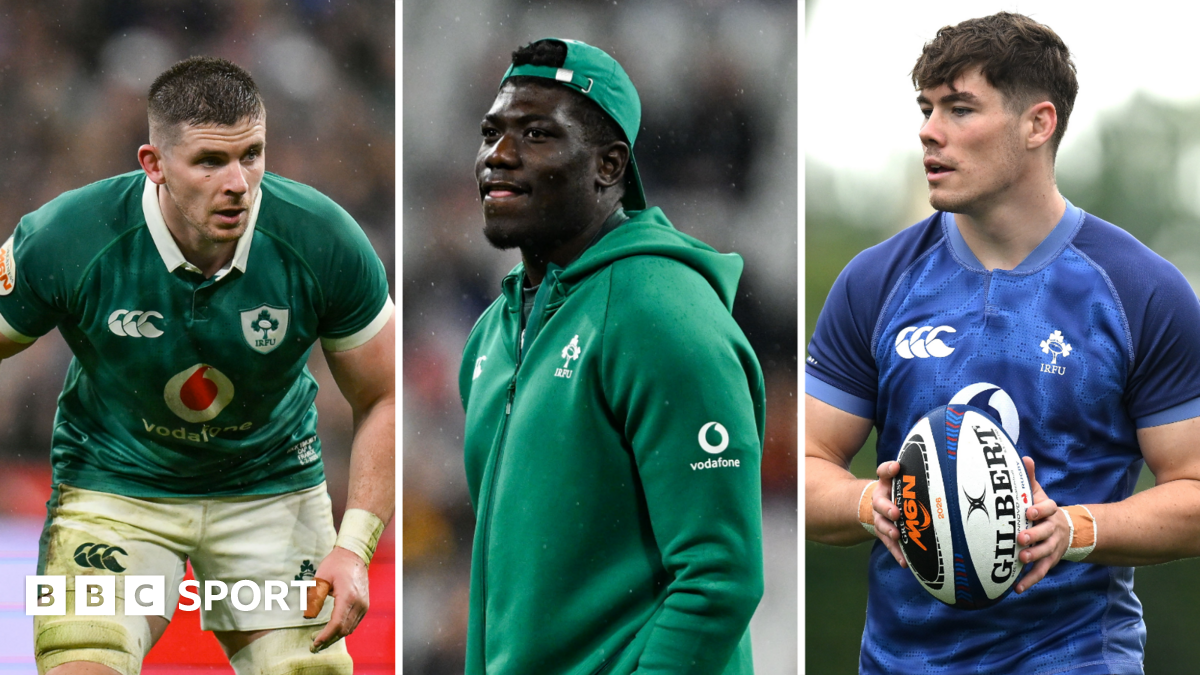
When Andy Farrell took charge of Ireland after the 2019 World Cup, Joe Schmidt’s erstwhile defensive specialist faced calls to radically overhaul a team that had clearly dropped from a considerable peak.
In 2018, Ireland had won a Six Nations Grand Slam and beaten New Zealand in Dublin as part of an autumn clean sweep.
By the time Farrell took over, England had punctured a Manu Tuilagi-shaped hole in their best laid World Cup plans before they got to the tournament and were shocked by Japan in the pool stages before the All Blacks exacted revenge in the quarter-final.
Then, having been the head coach in waiting for a year, there was a feeling that Farrell’s association with the previous ticket saw his tenure start on the backfoot.
Yet, by the time of his first game in charge in February 2020, Farrell resisted any temptation to enforce a major break from the Schmidt regime, his biggest selection calls revolving around replacing retired veterans Rob Kearney and Rory Best.
While handing an international debut to Caelan Doris was a nod to the future, the naming of the then 34-year-old Johnny Sexton as his captain was a clear indication of a focus on the here and now.
As Ireland muddled through a pair of third-place Six Nations campaigns disrupted by the Covid-19 pandemic, Farrell remained steadfast in his approach of evolution rather than revolution and was rewarded for his faith with a historic series win in New Zealand in 2022 and a Six Nations Grand Slam the next year.
In the wake of Thursday’s humbling defeat by France in Paris to start the 2026 Six Nations however, Farrell has faced the strongest calls since those earliest days of his tenure to dramatically overhaul the team.
With Italy in Dublin on Saturday afternoon, will the head coach stick or twist?
Crédito: Link de origem