

Web: 👨🏿🚀TechCabal Daily – PayPal circles back
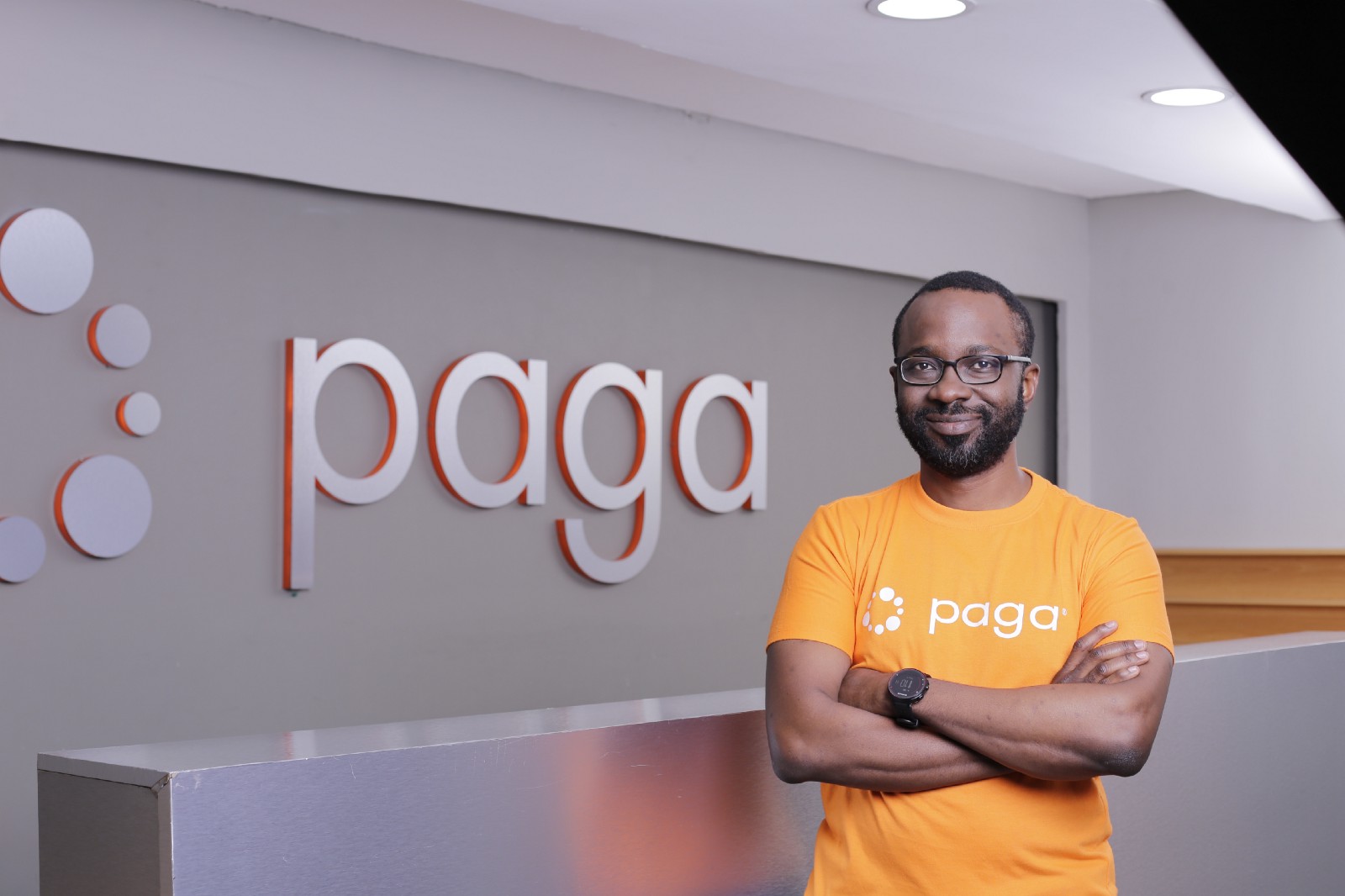
After 20 years, PayPal, the global payments platform, is returning to Nigeria through Nigerian fintech Paga. The partnership allows Nigerians to receive international payments, settle them in Naira, or hold dollars, reopening PayPal’s global network to a market it shut out in 2004.
Why did it leave in the first place? PayPal exited Nigeria’s payments market due to fraud concerns. Later, it attempted to re-enter through First Bank, Nigeria’s oldest bank, in 2014 and through Flutterwave, Africa’s largest payments infrastructure startup, in 2021. These attempts still locked out users, as its First Bank partnership only enabled outbound payments, and its collaboration with Flutterwave focused strictly on businesses.
So, why come back now? Nigeria’s digital payments space is lucrative. Digital payments within Nigeria totalled ₦1.07 quadrillion ($754.08 billion) in 2024, up from ₦600 trillion ($422.85 billion) in 2023. PayPal’s return also follows Nigeria’s removal from the Financial Action Task Force grey list in October 2025, thereby weakening the long-standing fraud argument that global platforms relied on to justify exclusion.
But the reaction to PayPal’s return has been icy. On social media, some Nigerians are telling off PayPal, arguing that the company is only showing up after local fintechs built alternatives, including Paystack, Flutterwave, crypto rails, and informal FX channels. A third camp is sceptical for practical reasons, warning that PayPal’s history of account freezes and fund holds could make access painful, even with a local partner.
Will PayPal prevail? Winning Nigerians back will require more than reopening the door they slammed. PayPal’s advantage is its access to over 400 million global users, interoperability with wallets like Venmo, and routing inflows through Paga, a platform already used locally. If PayPal can make receiving dollars feel as seamless as a local transfer, it stands a chance of reclaiming relevance. If not, it risks becoming just another option that people know exists, but don’t bother to use.
Crédito: Link de origem