

Africa is educating the next generation of global leaders with integrity
Early in 2026, the dearth of ethical leadership across the world is more apparent than ever. From heads of state to local government officials, corruption and mismanagement remain pervasive. Citizens’ growing disillusionment with democracy is largely driven by the erosion of value-driven governance and public leadership.
This matters because the challenges we face, from climate change to conflict and inequality, are not merely technical in nature. They are fundamentally problems of governance. Leaders with integrity are therefore central to any meaningful solution. While corrupt leaders can, in theory, be voted out of office, this approach addresses only the symptoms rather than the underlying causes.
What is required is a fundamental rethinking of leadership pipelines globally. If institutions are to be reshaped to meet the demands of an era defined by rapid disruption, they must be rooted in locally driven, sustainable and values-oriented approaches. Education is the natural starting point, not only in equipping individuals with the skills needed to navigate complex realities, but also in instilling the values, accountability and sense of responsibility that effective leadership demands.
It is Africa that is increasingly demonstrating how this can be achieved. Although access to higher education across the continent has expanded significantly, what is particularly notable is how universities are pioneering new approaches to leadership development. Innovative methods of assessing academic value are emerging, placing less emphasis on prestige and citations and greater weight on collaboration, collective wellbeing and societal contribution.
Entirely new educational models have also taken shape. The African Leadership University, for instance, has evolved from a small pilot into a pan-African institution with more than 5,000 students representing over 40 nationalities. Approximately 76% of its alumni secure wage employment within six months of graduation, while around a quarter go on to launch their own ventures.
Earlier-stage pipeline institutions are also playing a critical role. The African Leadership Academy, for example, is producing thousands of graduates who are feeding into these systems, with 73% now engaged in work on the continent, often in public service. Individuals such as Eddy Oketch in Kenya and Cornelia Kruah-Togba in Liberia exemplify this trend, as next-generation leaders contributing to governance in their respective countries. At the same time, institutions such as the Nelson Mandela School of Public Governance are prioritising leadership development in the public sector, including a strong focus on women’s leadership. More recently, the University of Johannesburg launched a centre dedicated to innovation, thought leadership and governance, aimed at strengthening trust in public service in South Africa.
A common thread across these institutions is their deliberate departure from Western models of education and leadership training, which were designed for very different contexts. Instead, they are advancing new approaches that are context-specific and outcome-driven. Crucially, these models are grounded in values, recognising that both public administration and entrepreneurship must be underpinned by integrity and accountability. Systems that serve only a narrow elite, whether in government or business, are ultimately unsustainable.
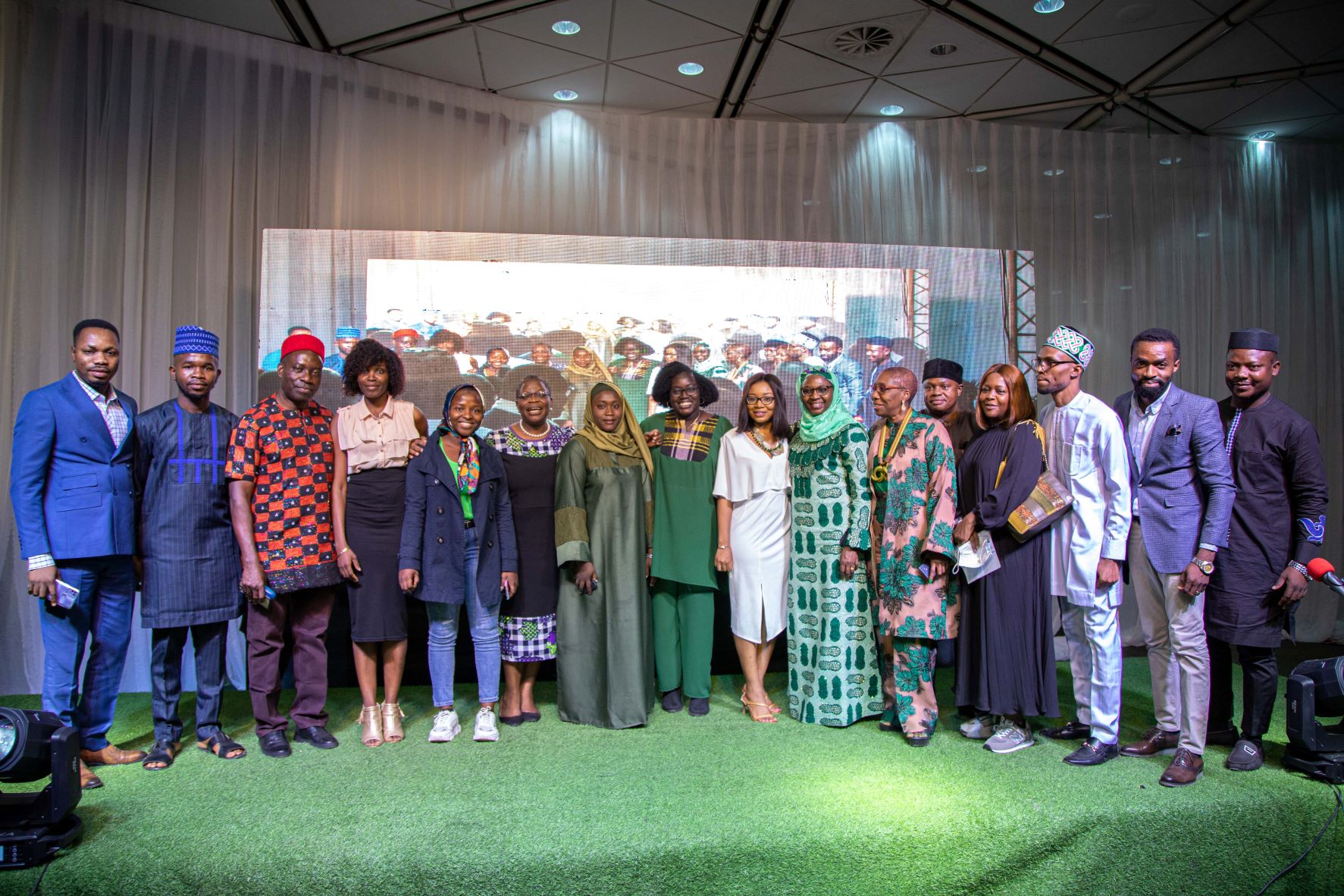
The School of Politics, Policy and Governance offers a clear example of this shift, with an explicit focus on nurturing a new generation of leaders committed to listening to and serving citizens. Demand for its programmes has grown rapidly, leading to expansion across three countries, with a fourth campus in Ghana set to open soon. Over the past five years, the school has trained more than a thousand graduates who are now moving into politics and public service.
Similarly, the African School of Governance in Rwanda is positioning itself as a leading global institution in public administration. Civil society initiatives such as the Africa Youth Leadership Forum are also forging partnerships with universities across the continent, with a strong emphasis on ethics and integrity. These developments are mutually reinforcing, creating visible role models who inspire younger generations to follow similar paths.
A recent conversation in a café in Washington, DC, illustrates this shift in perception. A young African professional remarked, “I attended university in the US and have worked here for several years, but I am now applying for a postgraduate degree in Africa.” Such a sentiment would have been far less common a decade ago, yet it is increasingly heard today.
While tightening visa regimes and rising costs are making study in Europe and North America more challenging, African institutions are also gaining recognition for their leadership in teaching ethical governance. This growing reputation is attracting talented individuals from both within and beyond the continent.
There remains, of course, significant work to be done in combating corruption, strengthening the rule of law and deepening democratic systems. Nevertheless, the emergence of a new generation of educational institutions across Africa offers grounds for optimism. These institutions are not only transforming leadership on the continent but are also helping to cultivate the principled global leaders that the future demands.
Oby Ezekwesili is the founder of the School of Politics, Policy and Governance and a former Minister of Education in Nigeria. Blair Glencorse is Co-Chief Executive of Accountability Lab.
Crédito: Link de origem